
He wrote "Vamos Dançar" on the back of his helmet. Let's Dance. And on Valentine's Day, the first day of Carnival, with the Alps towering over Bormio and 200 million Brazilians who'd never had a Winter Olympic medalist watching from the other side of the world, Lucas Pinheiro Braathen danced.
Who's Who?
-
 Lucas Pinheiro Braathen — Quit Norway at 23, came back for Brazil, and danced samba on the Olympic podium.
 -
APAlessandra Pinheiro — Her heritage became the flag her son carried to Winter Olympic gold.
-
BFBjørn Froelich Braathen — Left a Norwegian farm at 20 to ski — then built his son a private racing team from scratch.
-
 Isadora Cruz — Got the first phone call from the finish area on Valentine's Day.
 -
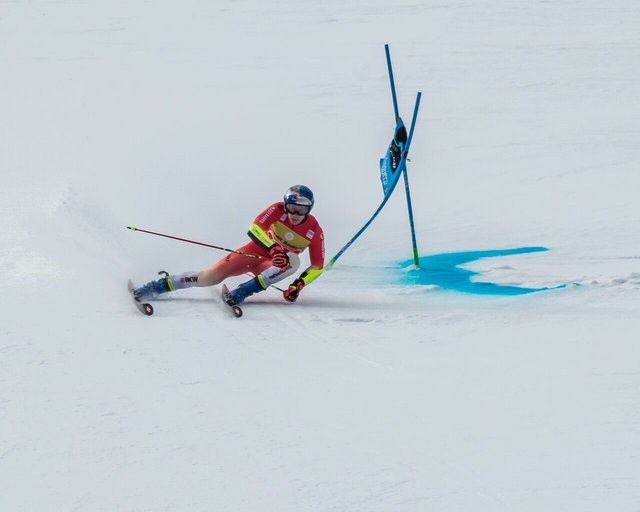 Marco Odermatt — The best skier in the world, who lost to the one who'd quit.
 -
 Loïc Meillard — Finished third behind Braathen, then won his own Olympic gold 48 hours later.
 -
CJClaus Johan Ryste — Held the sponsorship line that pushed Norway's brightest talent out the door.
-
MPMichael Pircher — Coached one Alpine legend in Austria, then helped build another one for Brazil.
Two years earlier, he'd quit. Lucas, 23, stood at a press conference in Sölden, Austria — the same resort where he'd become one of the best slalom skiers on the planet — and said three words: "I am free." The Norwegian Ski Federation had a strict sponsorship system, and Lucas had done an unauthorized photo shoot with J. Lindeberg that clashed with team outfitter Helly Hansen. The federation's alpine director, Claus Johan Ryste, held the line. Lucas held his. His father Bjørn Froelich Braathen, a former amateur skier who'd left the family farm at 20 to chase racing in Kitzbühel, sent the text to the federation minutes before the press conference. It was over.
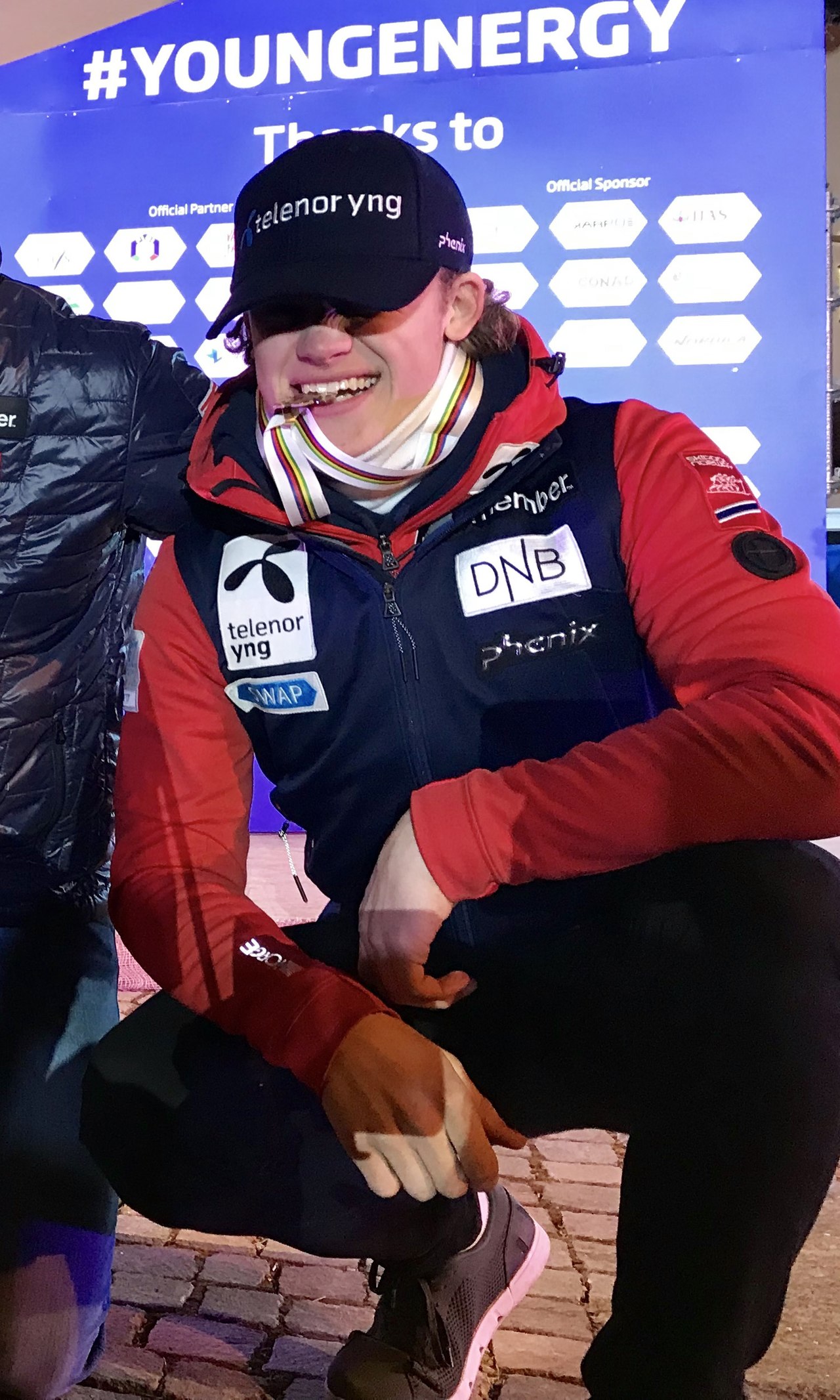
Except it wasn't. Lucas's mother, Alessandra Pinheiro, is from São Paulo. His parents divorced when he was three, and he spent time in Brazil as a small child before growing up in Norway's ski system. The Brazilian flag had been his lucky charm for years — tucked into his gear, visible in the start gate. Five months after retiring, in March 2024, he announced he was coming back. Not for Norway. For Brazil. "Having the opportunity to represent 200 million Brazilians is a dream come true," he said.
His father built the comeback from scratch. Bjørn assembled a private coaching team that included Michael Pircher, who'd previously coached Austrian legend Marcel Hirscher, and physical trainer Kurt Kothbauer, who'd worked with Swiss star Marco Odermatt. In October 2024, Lucas returned to the World Cup circuit at Sölden — the exact venue where he'd walked away. By November 2025, he won Brazil's first-ever World Cup race, a slalom in Levi, Finland. He was better than before.

Then came Bormio. February 14, 2026. Lucas attacked the Stelvio course in giant slalom and beat Odermatt, the defending Olympic champion and heavy favorite, by 0.58 seconds. Loïc Meillard of Switzerland took bronze, 1.17 seconds back. Brazil had its first Winter Olympic medal. South America had its first Winter Olympic medal. On the podium, Lucas wept through the Brazilian national anthem, then broke into samba. "I was skiing with my heart," he said afterward, "and when you ski the way you are, anything is possible."
Odermatt, who'd come to Milano Cortina as the best skier in the world and left without an individual gold, took the loss with the kind of grace that makes you respect someone more, not less. "I was here in every race, I could show my performance," he said. "Not always 100 percent but always on 99 percent and that's an amazing achievement." Meillard went on to win slalom gold two days later, finishing the Olympics with three medals. Lucas wasn't as lucky in slalom — he fell in the first run, ending his shot at a second medal.
The first call he made from the finish area after winning gold was to his girlfriend, Isadora Cruz, a Brazilian actress from João Pessoa who's starred in telenovelas like Mar do Sertão and Coração Acelerado. They'd been together since June 2025, having met in New York. She watched him become the thing he'd written on his helmet — a reason to dance. "Being the reason that I get to hear and share that song in a stadium in the middle of mountains, because of a Winter Olympic gold medal for these colors, I'm beyond proud," Lucas said at his post-gold press conference.
He didn't stop at the Olympics. On March 24, he won the giant slalom Crystal Globe at the World Cup Finals in Lillehammer — Brazil's first Crystal Globe, the most dominant technical skier in the world racing for a country that had never had a Winter Olympic medalist until six weeks earlier. The French press called it "Norway's loss" the day he won gold. They weren't wrong. Lucas and Isadora plan to split time between Brazil during her telenovela schedule and Europe for ski season. Norway still has its mountains. They just don't have him anymore.