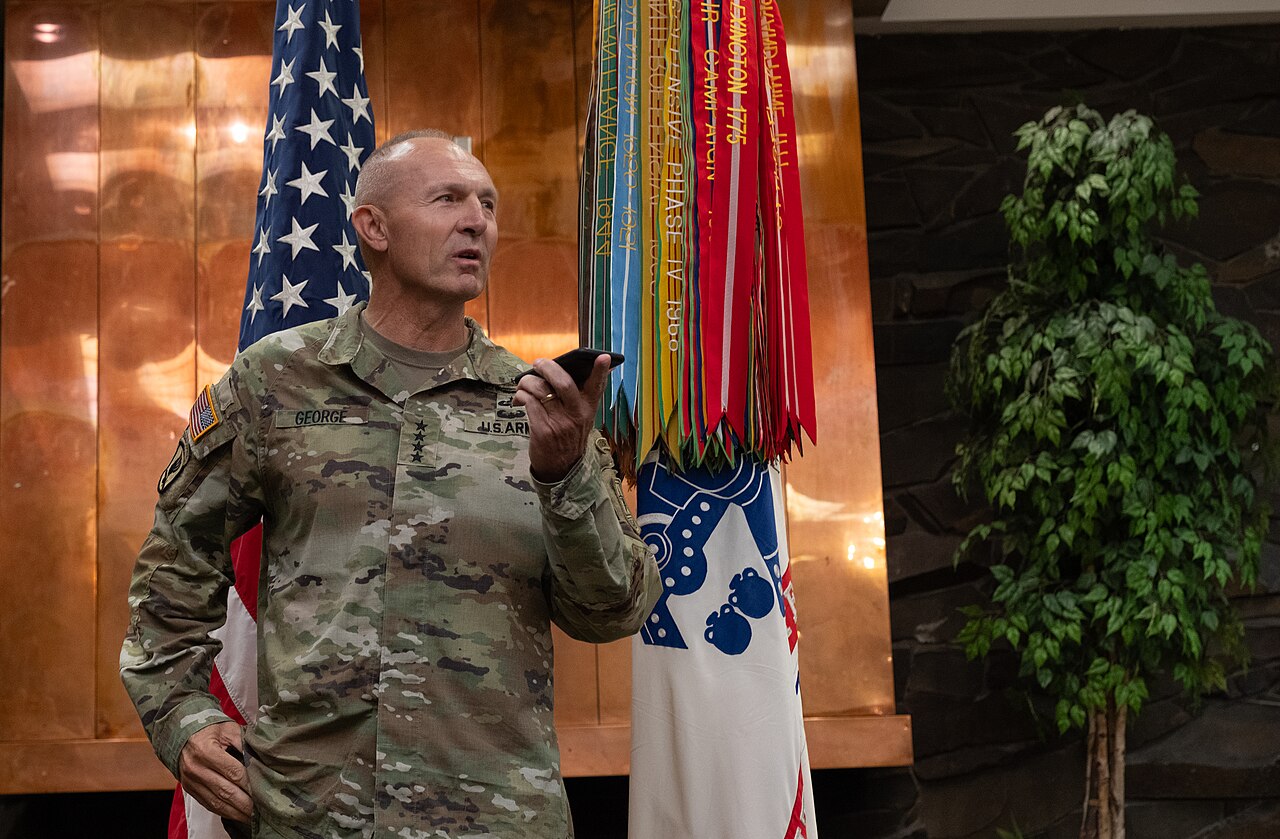
Randy George asked for a meeting. That's all he did. The Army's top general, a four-star who had led the service out of its worst recruiting crisis in decades, who had commanded troops in Desert Storm and Iraq and Afghanistan, wanted to sit down with his boss and talk about what was happening to the Army's promotion system. Defense Secretary Pete Hegseth refused the meeting. Two weeks later, he fired George by phone.
Who's Who?
-
 Randy George — Asked his boss for a face-to-face meeting. Got fired by phone two weeks later.
 -
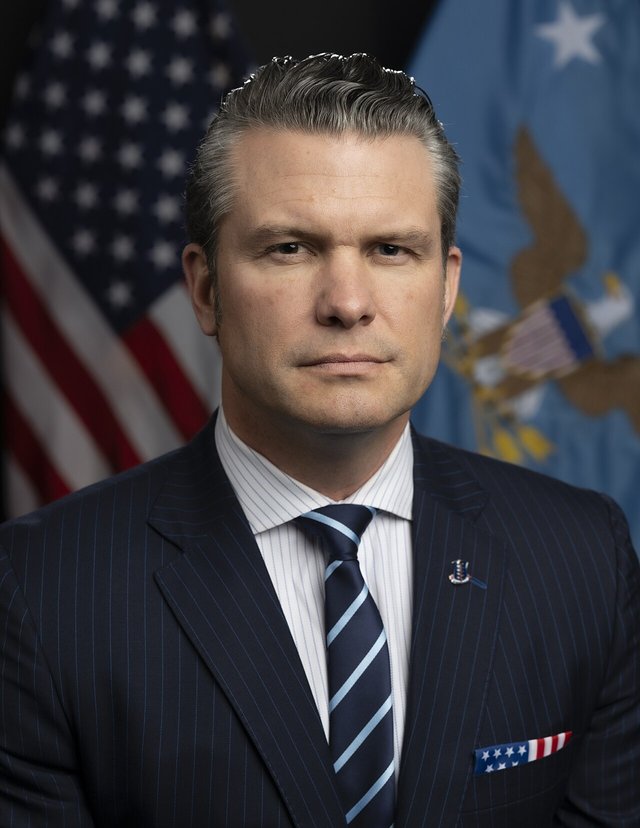 Pete Hegseth — Former Fox News weekend host running the Pentagon mid-war on personal loyalty.
 -
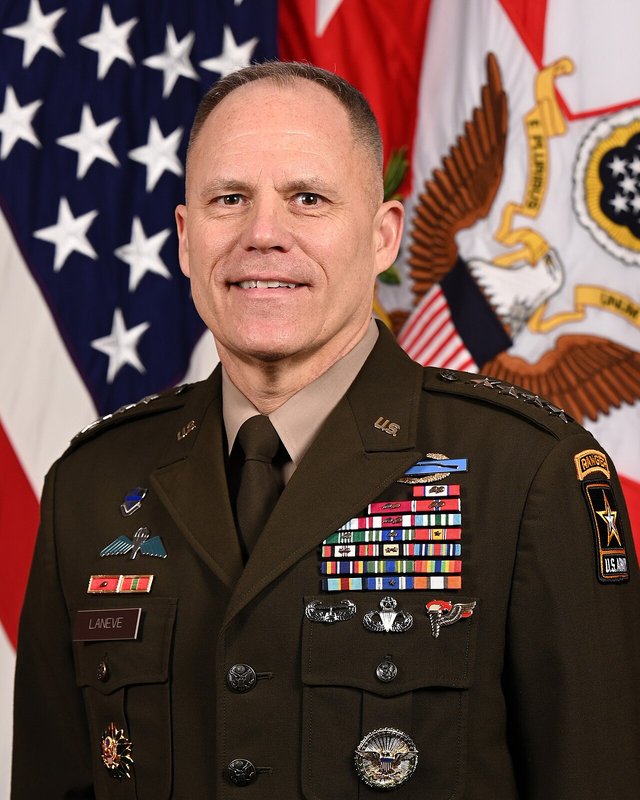 Christopher LaNeve — Went from Hegseth's personal assistant to Army Chief of Staff in under a year.
 -
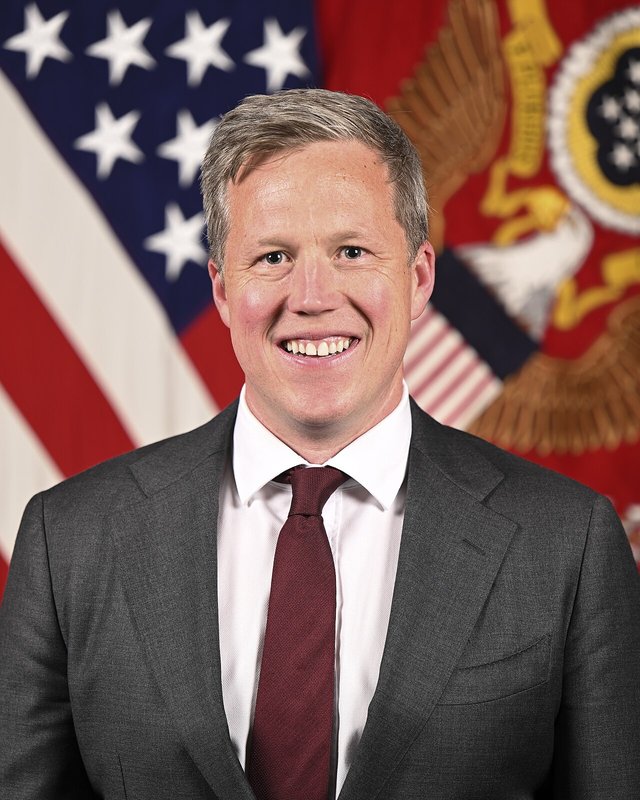 Daniel Driscoll — JD Vance's Yale Law classmate — the White House told Hegseth not to touch him.
 -
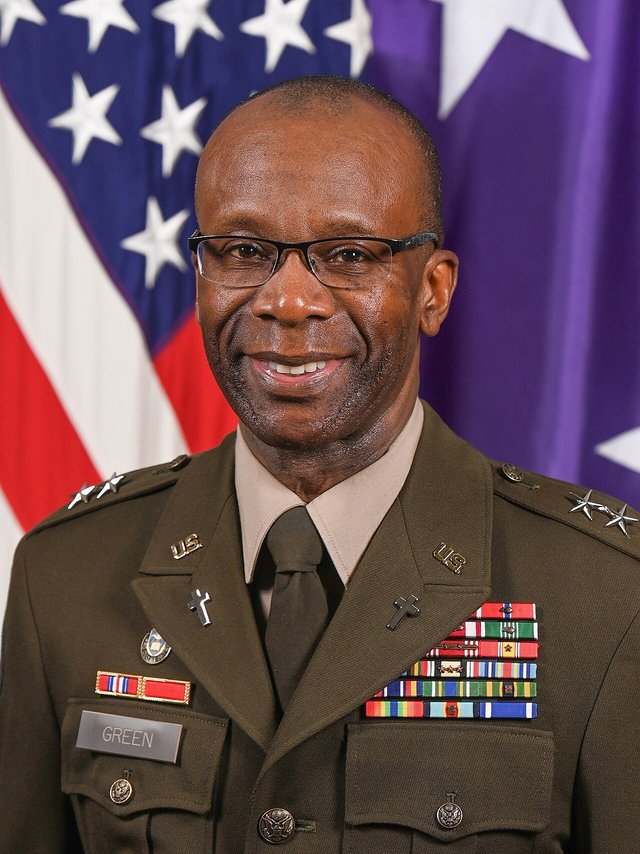 William Green Jr. — Third Black American to serve as Army chief of chaplains. Fired without explanation.
 -
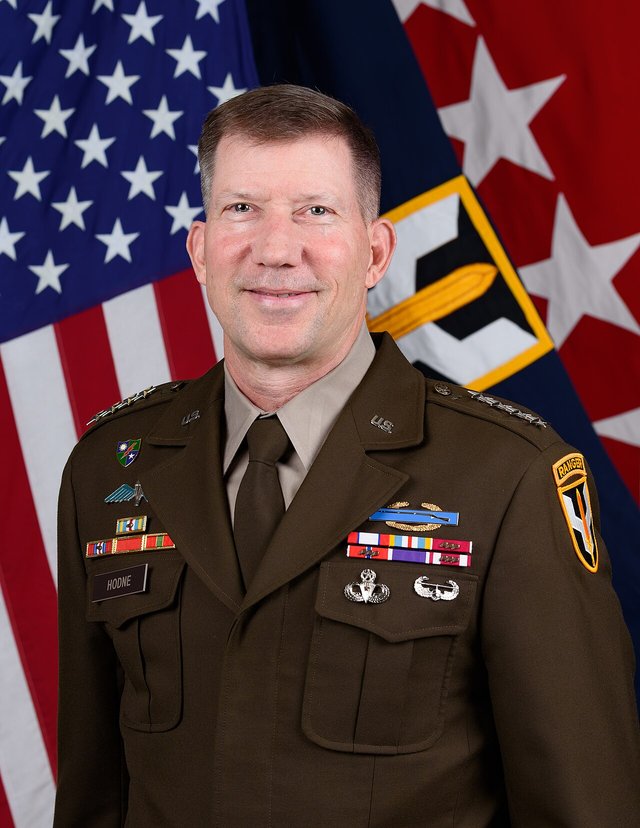 David Hodne — Ran the Army's wartime tech modernization. Gone in the same afternoon purge.
 -
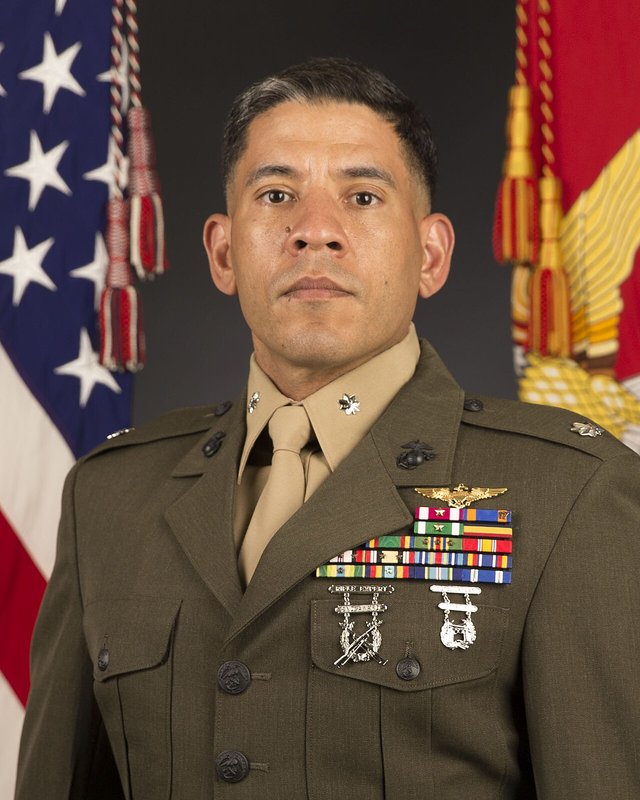 Ricky Buria — Told the Army Secretary that Trump wouldn't want to stand next to a Black female officer.
 -
SPSean Parnell — Hegseth's spokesman — privately telling colleagues he wants to be Army Secretary.
The trigger wasn't insubordination. It wasn't battlefield failure. George and Army Secretary Dan Driscoll had refused to strip two Black and two female officers from a one-star promotion list. Hegseth had been blocking or delaying promotions for more than a dozen Black and female senior officers across all four branches. His chief of staff, Ricky Buria, had told Driscoll directly that President Trump would not want to stand next to a Black female officer at military events — a reference to Maj. Gen. Antoinette Gant's promotion to head the Military District of Washington. Driscoll's response, according to the Washington Post: "The president is not a racist or sexist." The promotion went through. And then the purge began.
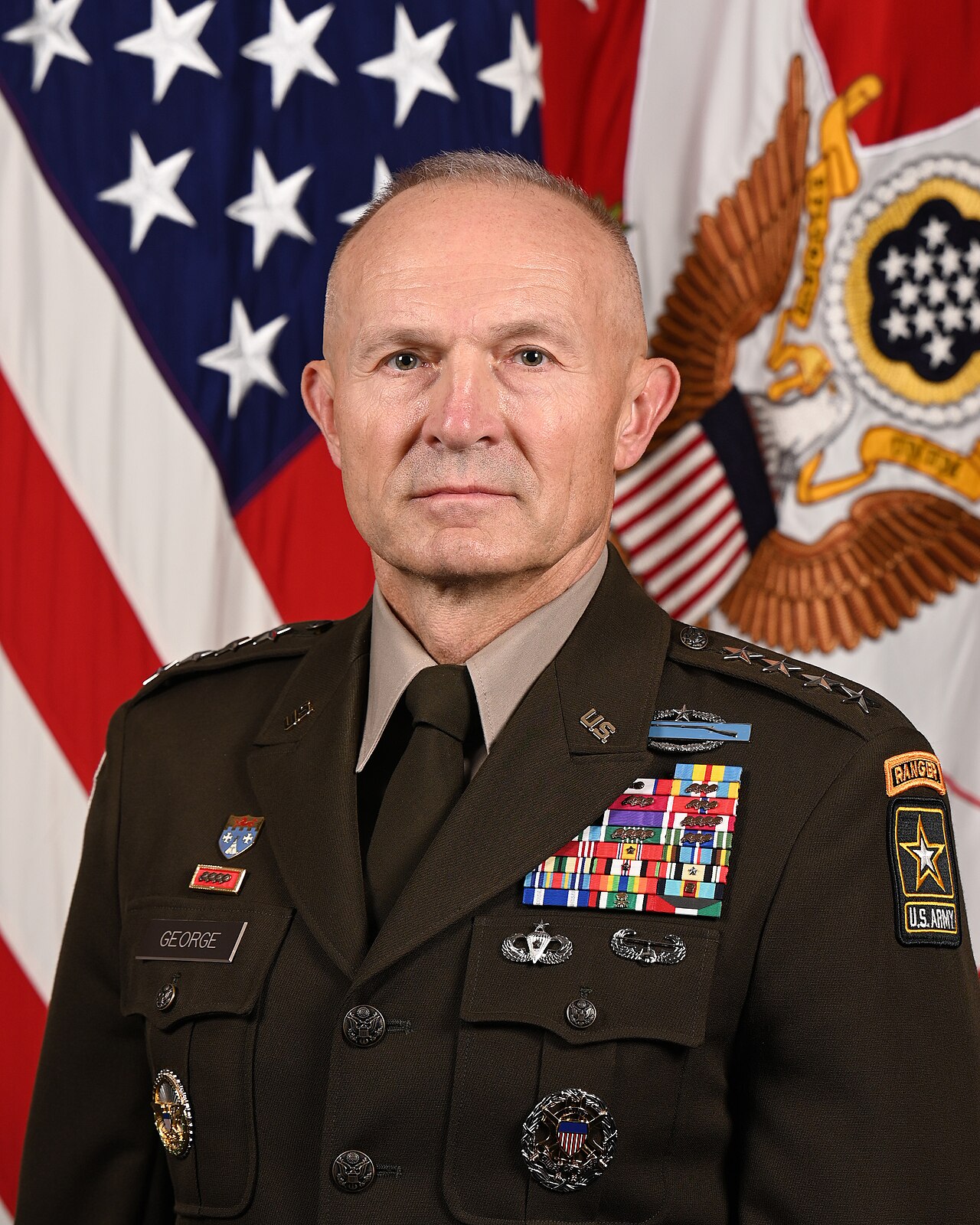
George wasn't the only one. On April 2, Hegseth fired three senior officers in a single day. Gen. David Hodne, a four-star who ran Army Transformation and Training Command — the unit responsible for accelerating the Army's adoption of new technology during wartime — was removed with no explanation. Maj. Gen. William Green Jr., the Army's chief of chaplains and only the third Black American to hold that position, was fired three days before Easter. Hegseth had already scrapped Green's "Army Spiritual Fitness Guide" back in December, calling it promotion of "secular humanism." Green's removal was personal before it was official.
George learned he was done while sitting in a meeting. He'd been Army Chief of Staff since 2023, a West Point class of '88 graduate from Alden, Iowa, with more than a year left in his term. His farewell email to the Army, sent two days after the firing, was brief and pointed: "Our soldiers are truly the best in the world — they deserve tough training and courageous leaders of character." The word character was doing a lot of work in that sentence.
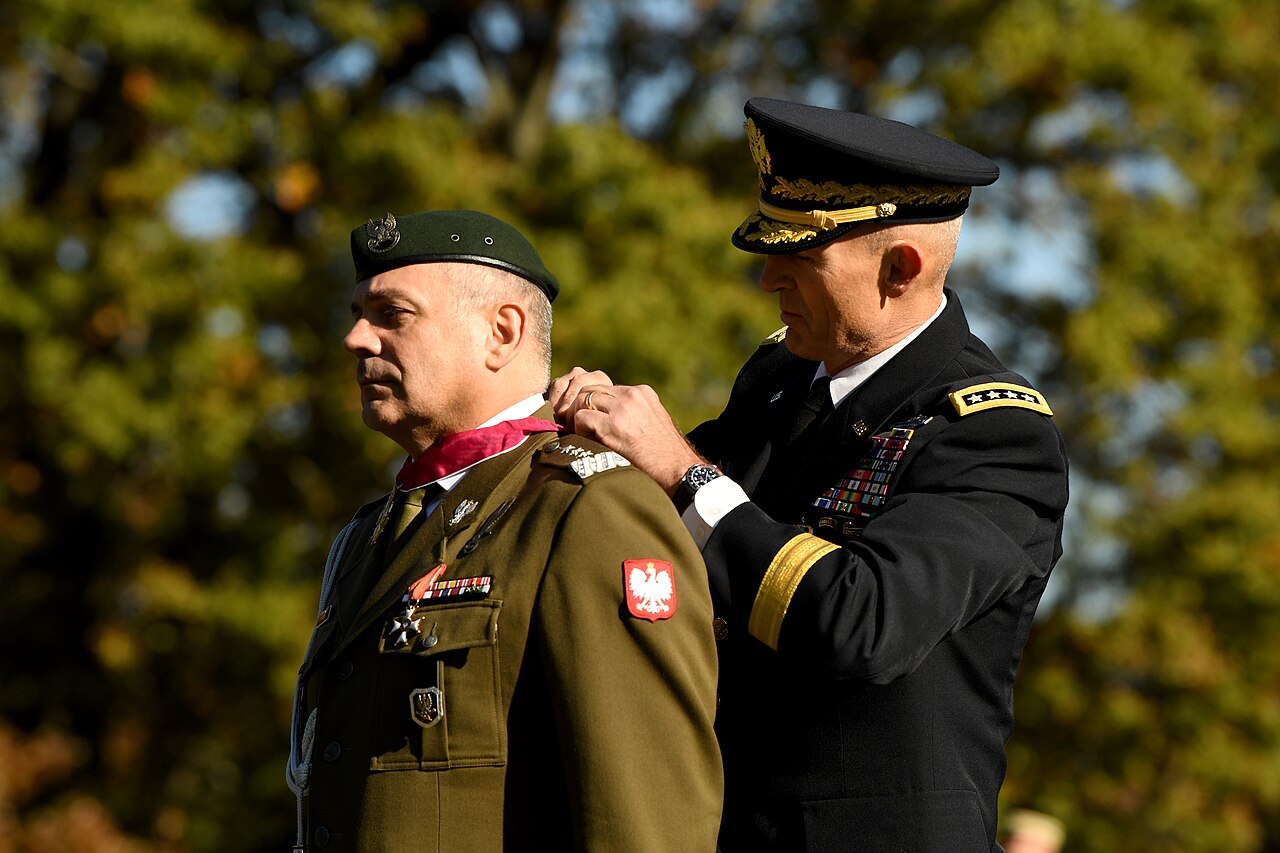
His replacement tells you everything about what Hegseth values. Gen. Christopher LaNeve, a Pittsburgh native who came up through University of Arizona ROTC, commanded the 82nd Airborne Division and the 8th Army in Korea. Solid credentials. But the relevant line on his résumé is this: he became Hegseth's senior military assistant in April 2025. He was confirmed as vice chief of staff in February 2026. Two months later, he was acting chief. The path from Hegseth's personal aide to the top job in the U.S. Army took less than a year.
The person Hegseth can't touch is the one he fears most. Dan Driscoll — Yale Law classmate of Vice President JD Vance, Iraq war cavalry scout, venture capital guy, sworn in by Vance himself — has been floated as Hegseth's replacement since Signalgate. That was March 2025, when Hegseth shared classified Yemen strike details in a Signal group chat that accidentally included Atlantic journalist Jeffrey Goldberg. The Pentagon watchdog found he violated regulations and risked U.S. forces' safety. Driscoll's name started circulating almost immediately. The White House has told Hegseth he cannot fire Driscoll. On April 7, Driscoll made his position public: "I have no plans to depart or resign as the Secretary of the Army." Meanwhile, Sean Parnell, Hegseth's chief Pentagon spokesman and a former infantry platoon leader in Afghanistan, has privately told colleagues he wants Driscoll's job if it opens up.
All of this is happening during a war. The Iran conflict is in its sixth week. Thirteen U.S. service members have been killed. Three hundred sixty-five have been injured. The Army just lost its chief of staff, the general running its technology modernization, and its chief of chaplains — all in one afternoon, all without public explanation. A defense official told reporters the situation plainly: "This is all driven by the insecurity and paranoia that Pete has developed since Signalgate."
Hegseth told a room full of generals and admirals back in September what he expected of them. "If the words I'm speaking today are making your heart sink," he said, "then you should do the honorable thing and resign." Randy George didn't resign. He asked for a meeting. And that, apparently, was worse.