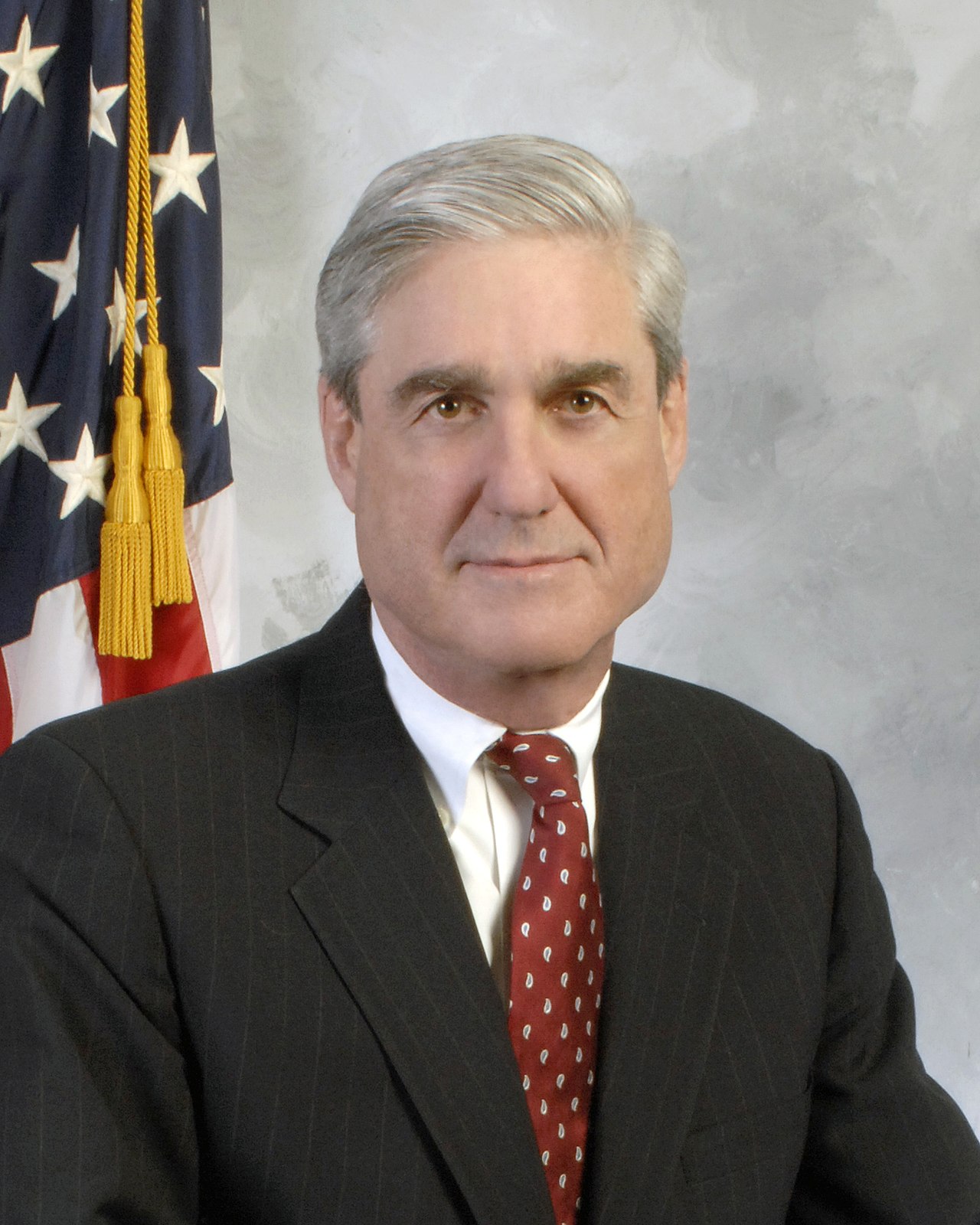
Robert Mueller had been FBI director for exactly one week when the planes hit. Sworn in on September 4, 2001, he'd barely learned where the bathrooms were. By September 12, he was running the largest criminal investigation in American history and rebuilding an agency that had just failed to prevent the worst attack on American soil. He spent the next twelve years doing that job — the longest anyone had held it since Hoover.
Who's Who?
-
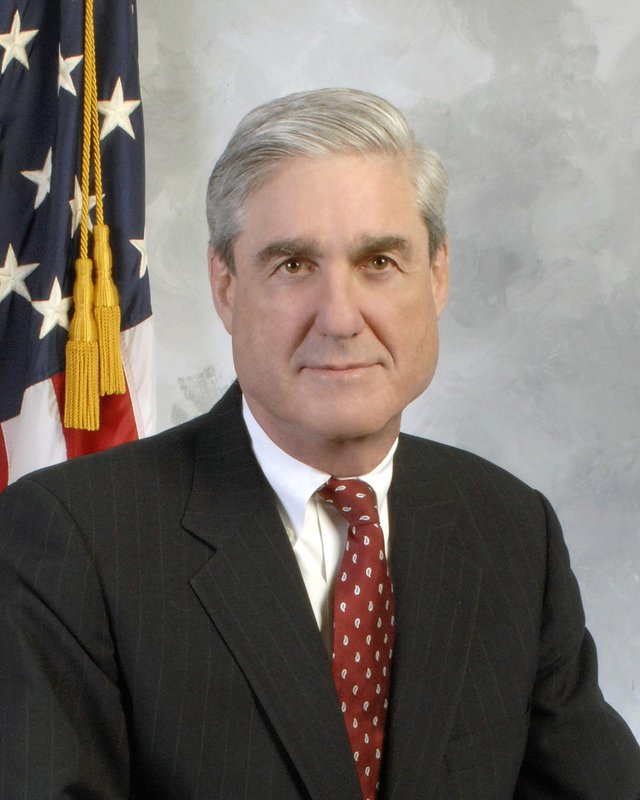 Robert Mueller — Sworn in on September 4. The planes hit on September 11. He stayed for twelve years.
 -
AMAnn Mueller — Met him at 17, married him before Vietnam, raised their daughters while he was at war.
-
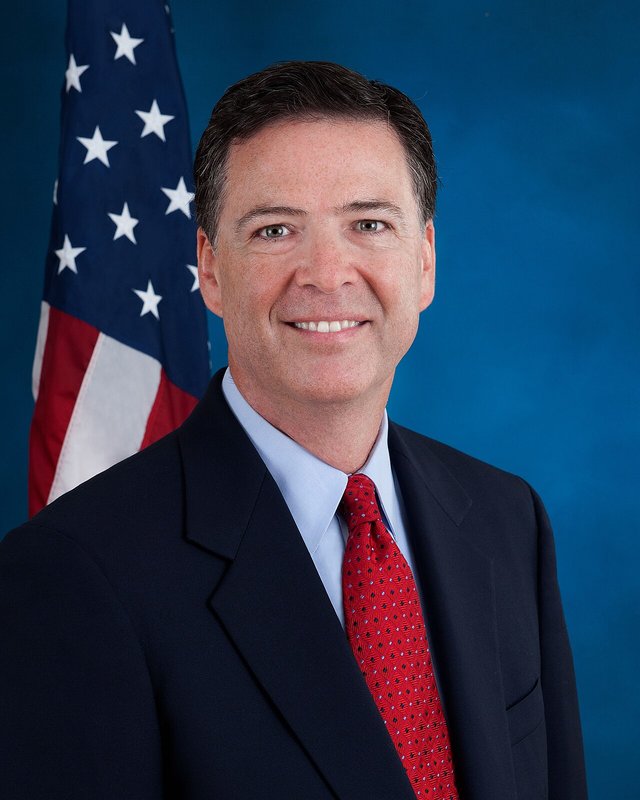 James Comey — Stood with Mueller against warrantless surveillance in 2004. His firing created the special counsel.
 -
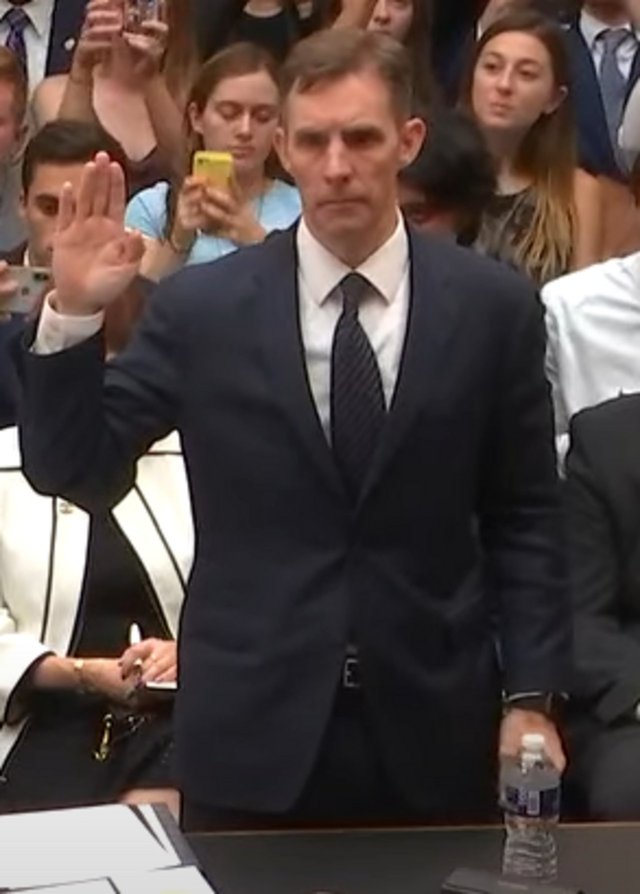 Aaron Zebley — Former FBI agent who followed Mueller to every job — the Bureau, WilmerHale, the investigation.
 -
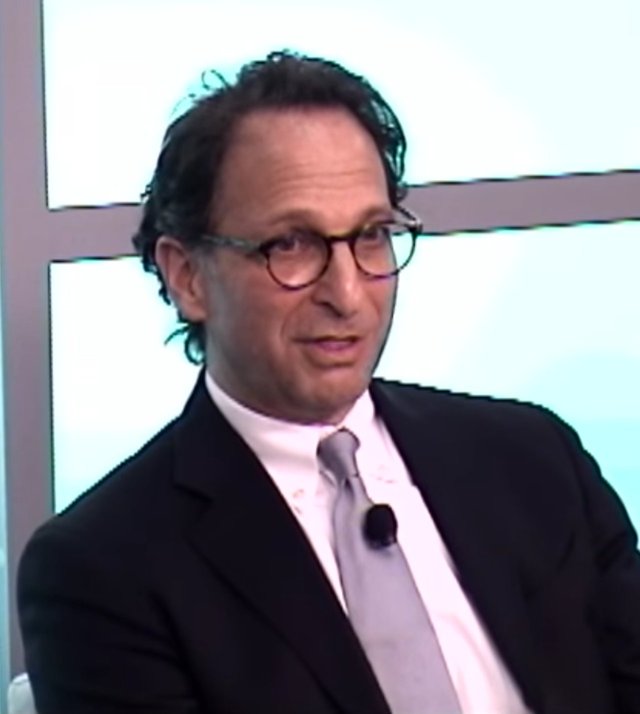 Andrew Weissmann — Built the case against Manafort, then wrote a book arguing the investigation pulled its punches.
 -
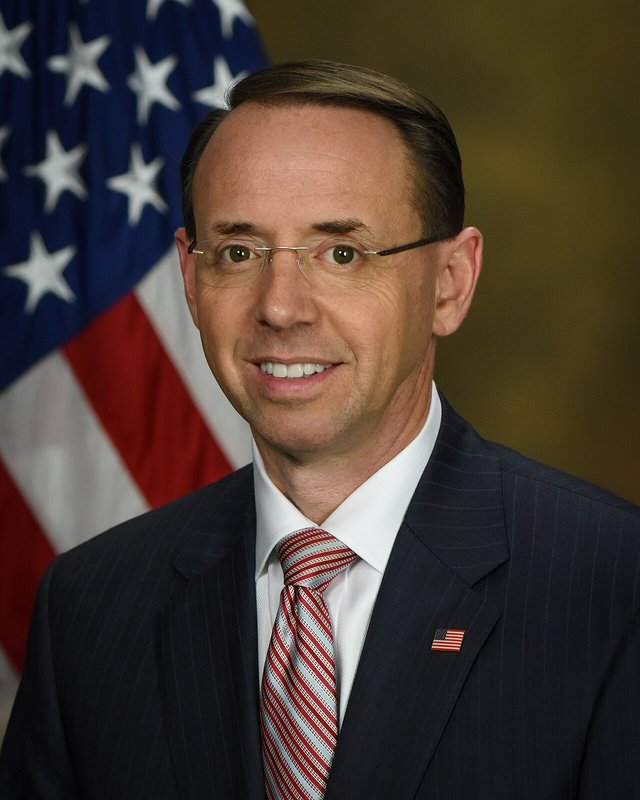 Rod Rosenstein — Sessions recused. Rosenstein picked Mueller. Twenty-two months of subpoenas followed.
 -
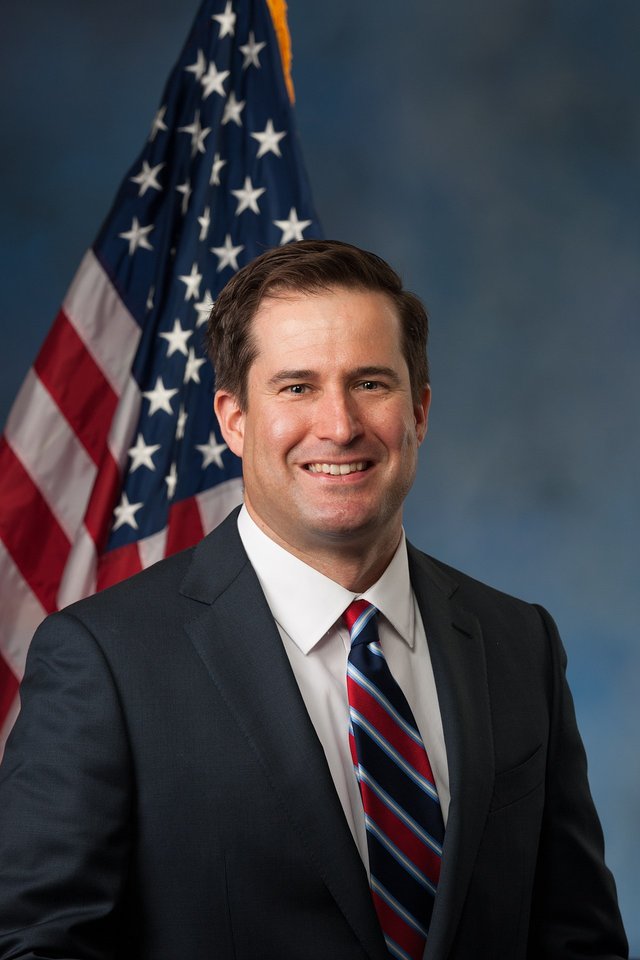 Seth Moulton — Combat veteran who responded to Trump's celebration by invoking Mueller's Bronze Star.
 -
DHDavid Hackett — Killed in Vietnam at Quang Tri. His death is why Mueller enlisted in the Marines.
Mueller died on March 20, 2026, in Charlottesville, Virginia. He was 81. He'd been quietly fighting Parkinson's disease since his diagnosis in the summer of 2021, retiring from his law practice at WilmerHale and stepping back from the UVA Law classes he'd been teaching. The public didn't learn about the Parkinson's until August 2025, when the House Oversight Committee withdrew a subpoena after being told he couldn't testify.
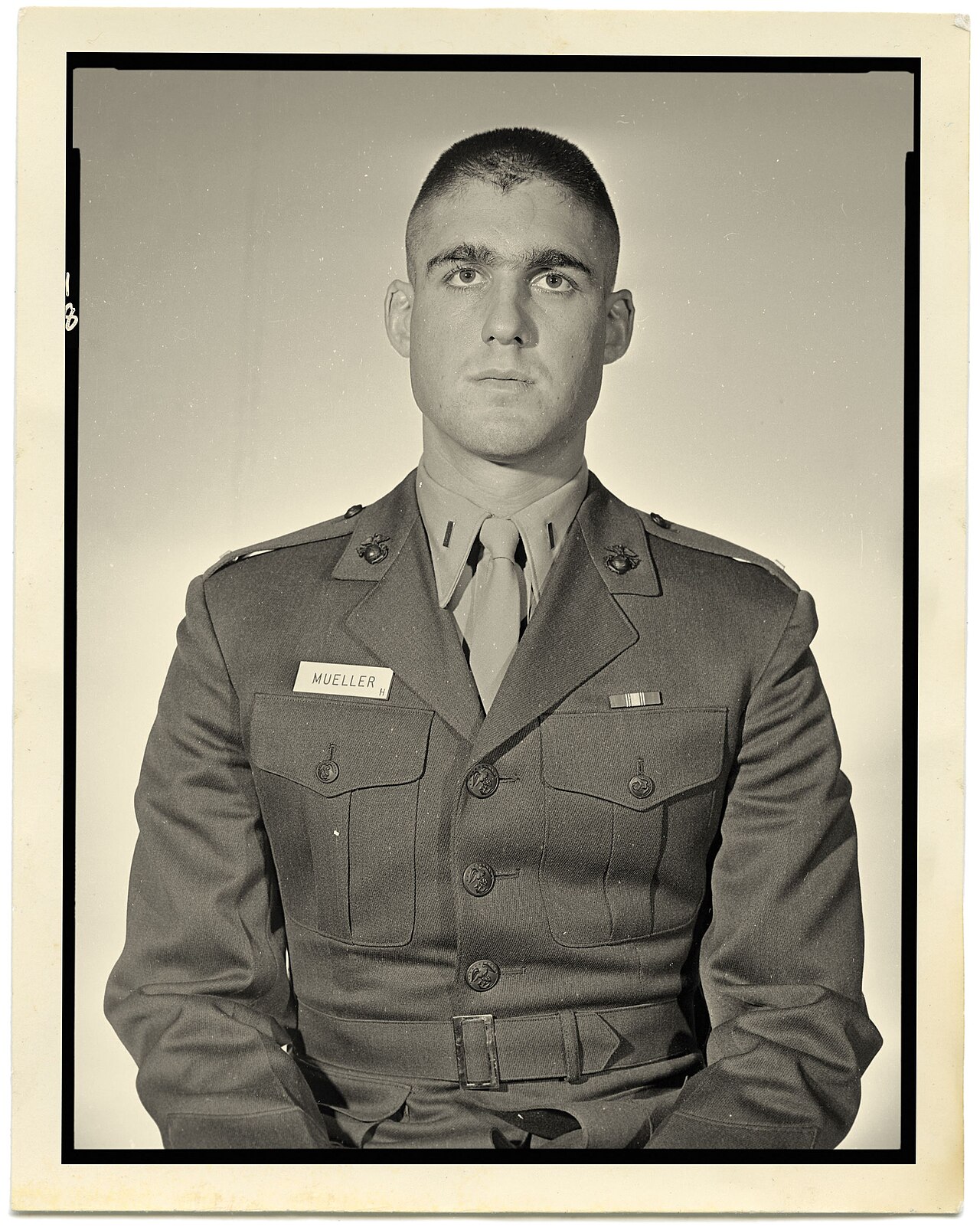
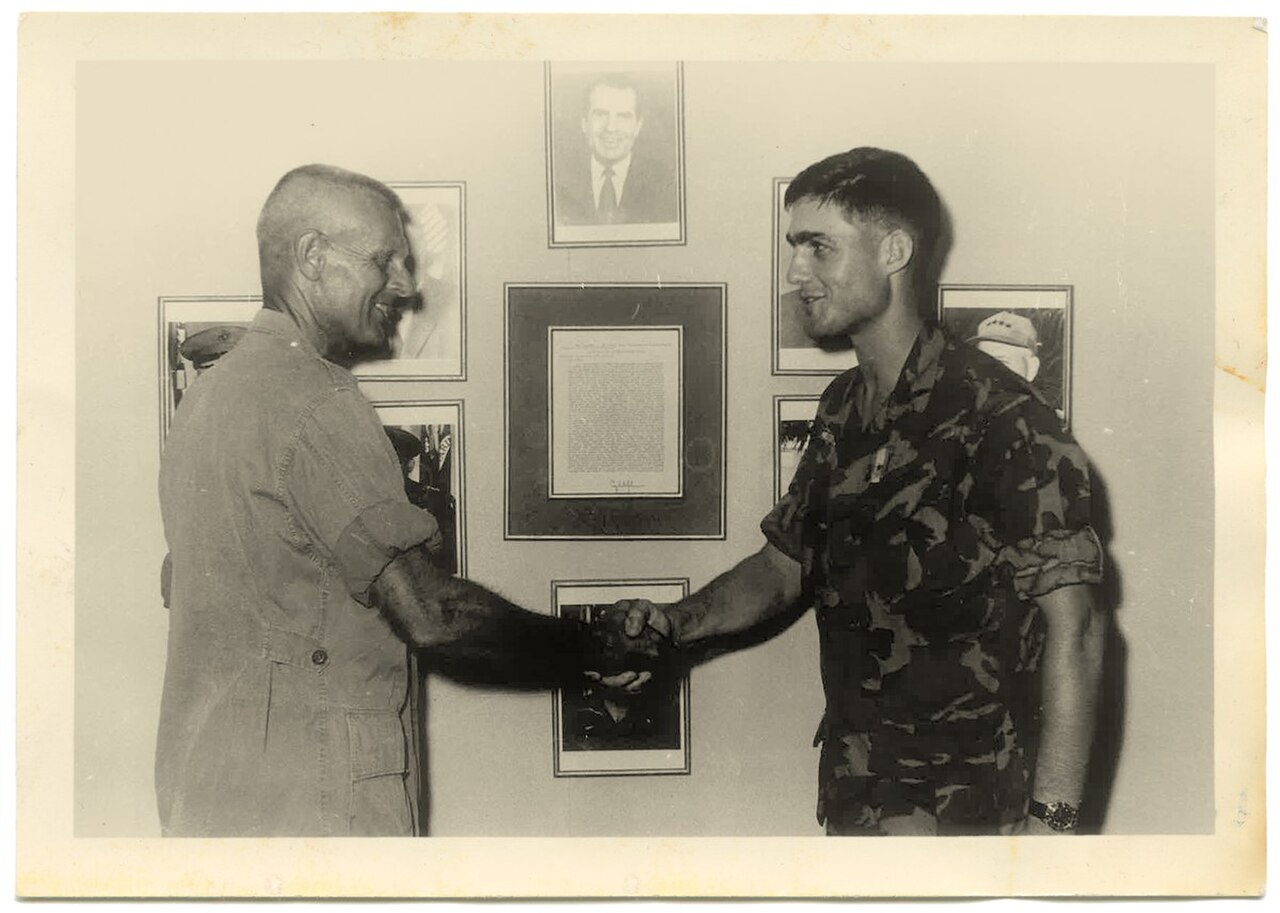
The through line of Mueller's life was a dead friend. David Spencer Hackett — everyone called him Moose — was a senior on the Princeton lacrosse team when Mueller was a junior. Hackett graduated in 1965, took a Marine commission, and was killed by enemy fire in Quang Tri Province on April 30, 1967. Mueller and several teammates enlisted after that. He led a rifle platoon with the 2nd Battalion, 4th Marines. On December 11, 1968, he pulled a wounded Marine out of fire and earned a Bronze Star with a V device. Four months later he took a round in the thigh. Purple Heart. He came home, went to law school at UVA, and spent the rest of his career in public service because a lacrosse player named Moose didn't come home at all.
Ann Cabell Standish met Mueller at a high school party when they were both 17. They married in September 1966 in Sewickley, Pennsylvania — right before Vietnam. While Mueller was leading Marines through Quang Tri, Ann was working as a special-education teacher for children with learning disabilities. One of their two daughters was born with spina bifida. They were married sixty years. The family's statement was simple: "With deep sadness, we are sharing the news that Bob passed away."
The team Mueller built followed him everywhere. Aaron Zebley, a former FBI special agent, went from the Bureau to WilmerHale to the special counsel's office, running day-to-day operations each time. Andrew Weissmann, the lead prosecutor who built the case against Paul Manafort, later wrote a book called Where Law Ends about what the investigation accomplished and where he believed it fell short. Rod Rosenstein appointed Mueller as special counsel in May 2017 after Jeff Sessions recused himself. The twenty-two-month investigation produced a 448-page report, more than 2,800 subpoenas, 500 witnesses, and over 30 indictments. Mueller delivered the facts and left the conclusions to others. Whether that was discipline or a mistake depends on who you ask.
James Comey, the man who succeeded Mueller as FBI director in 2013, had stood beside him years earlier during the 2004 hospital-room standoff over a warrantless surveillance program. Comey's firing by Trump in 2017 was the event that brought Mueller back into public life as special counsel. "A great American died today," Comey wrote, "one I was lucky enough to learn from and stand beside."
The president Mueller had investigated responded to his death with two words: "Good, I'm glad he's dead." Fox News covered Mueller's death six times without mentioning Trump's comment. Seth Moulton, a Marine combat veteran and Democratic congressman from Massachusetts, answered directly: "Robert Mueller earned a Bronze Star with valor and a Purple Heart as a Marine fighting for this country. He was a great American."
George W. Bush nominated him. The Senate confirmed him 98 to 0. Barack Obama asked Congress to extend his term — the only such extension since the post-Hoover term limit was enacted — and Congress agreed unanimously. Mueller is survived by Ann, their daughters Cynthia and Melissa, and their grandchildren. He was a Princeton lacrosse player, a Marine platoon leader, a federal prosecutor, an FBI director, and a special counsel. The last thing the public learned about him was that he was too sick to testify. The last thing his family knew was sixty years of showing up.