Kaley started using YouTube when she was six. Instagram when she was nine. By the time she was a teenager, she was spending sixteen hours a day on Instagram — not because she loved it, but because she couldn't stop. "They made me give up a lot of hobbies and old interests, and they prevented me from making friends," she told a Los Angeles jury earlier this year. "It really affected my self-worth."
Who's Who?
-
K(Kaley (K.G.M.) — Started YouTube at six, Instagram at nine. Sixteen hours a day by high school.
-
KGKaren Glenn — Filed the lawsuit with her daughter, then said the thing every parent thinks.
-
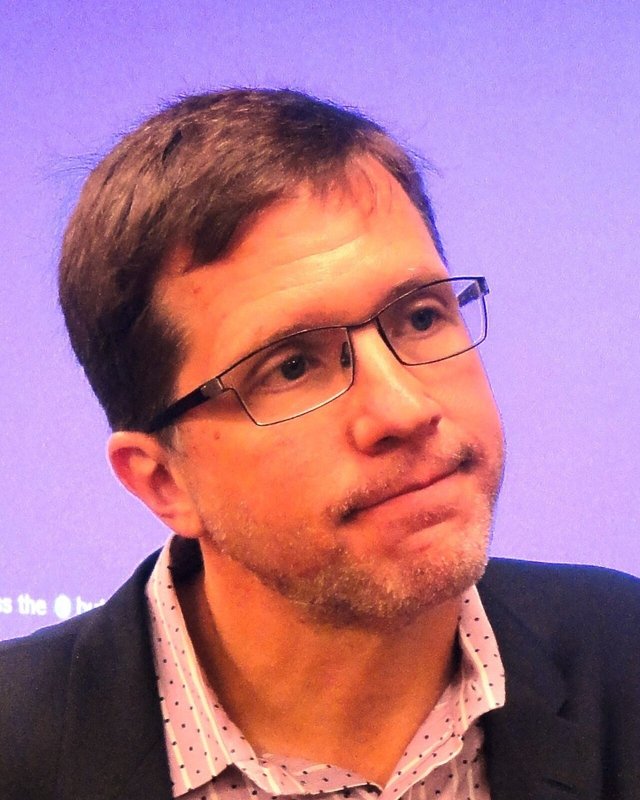 Mark Lanier — Won billions against Johnson & Johnson. Then asked a jury what a lost childhood is worth.
 -
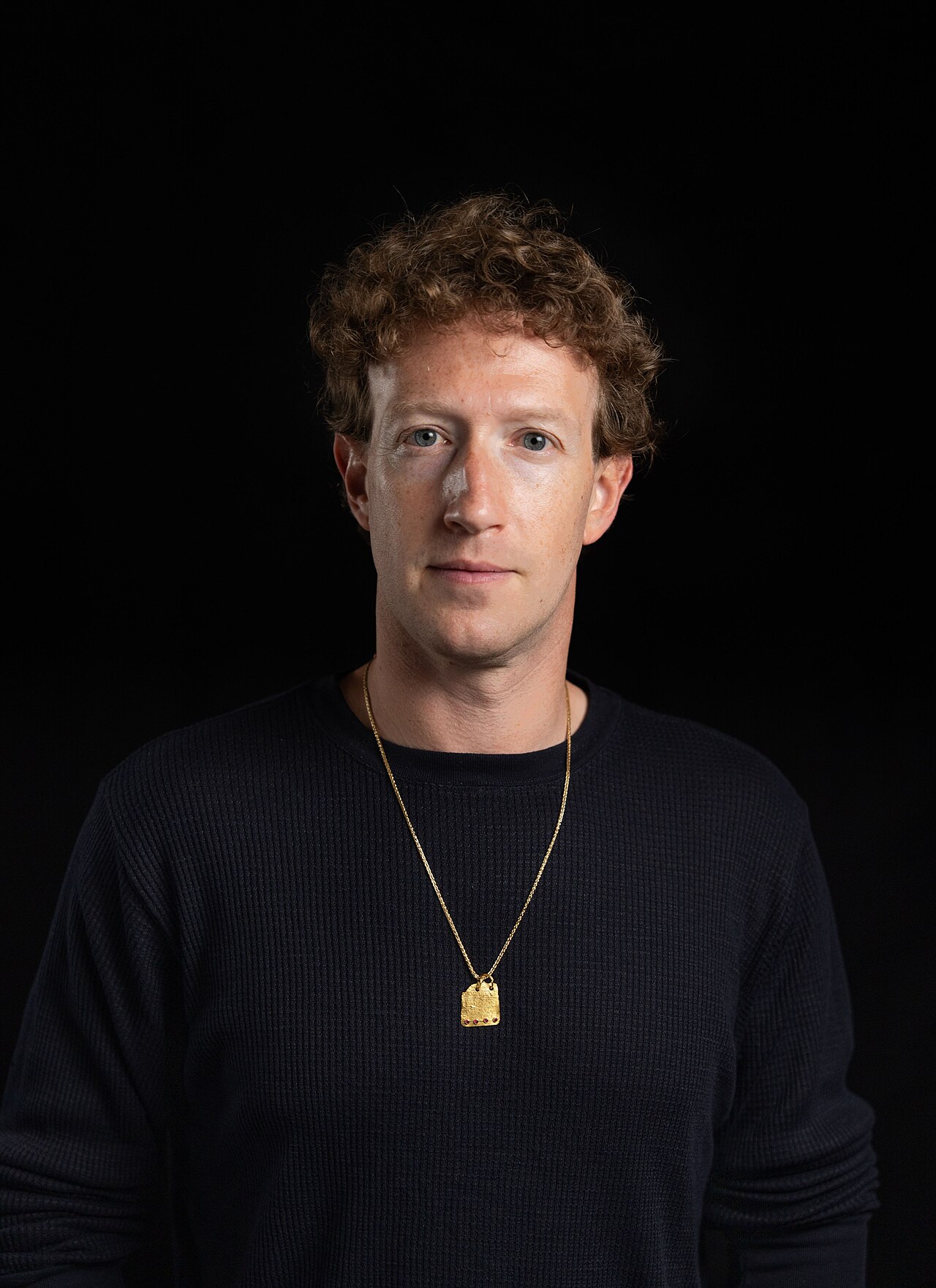
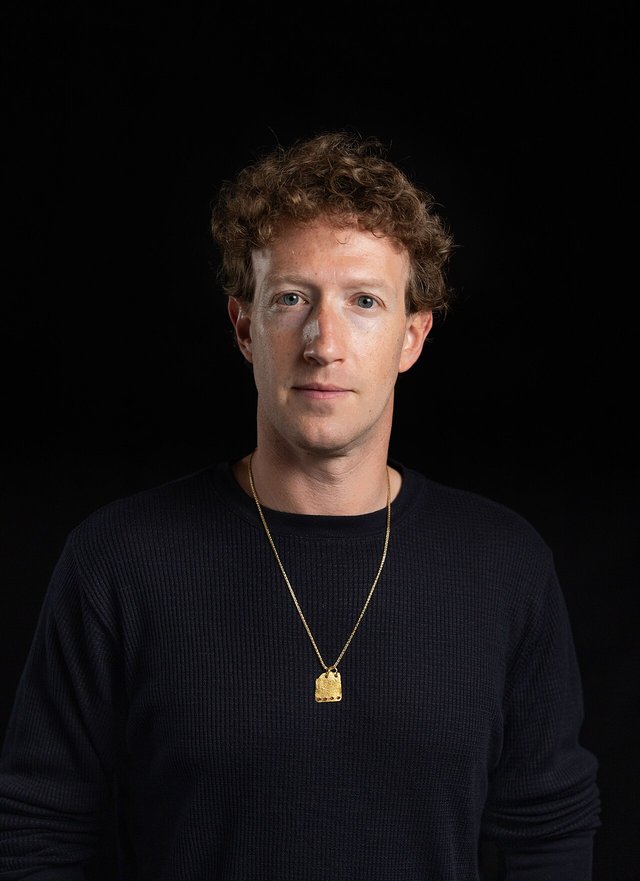 Mark Zuckerberg — First time testifying before a jury on child safety. It did not go well.
 -
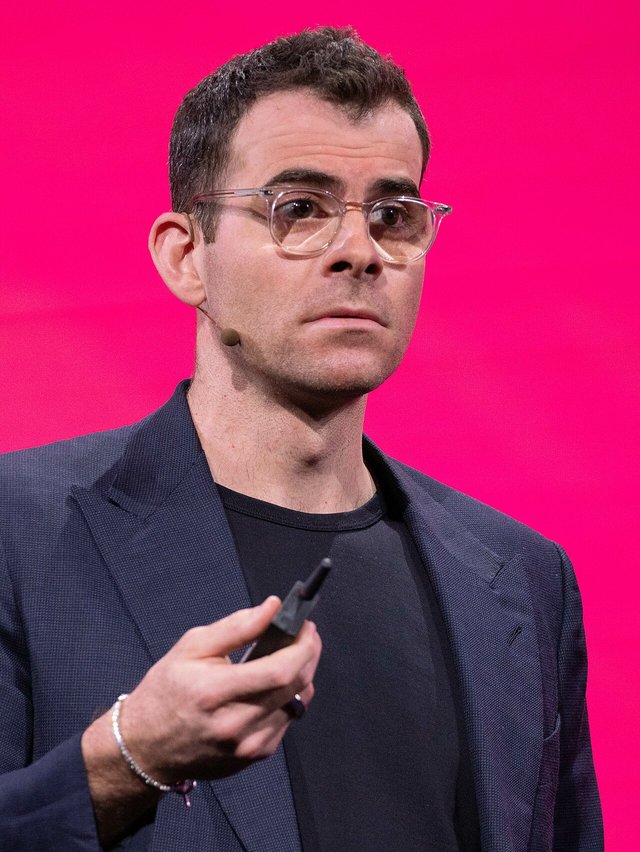 Adam Mosseri — Said social media addiction is real in 2020. Told jurors in 2026 he misspoke.
 -
MBMatthew Bergman — Founded a law center to prove platforms are defective products, not publishers.
-
LMLaura Marquez-Garrett — Filed 1,200 complaints against tech companies. Named to TIME 100 Health.
-
CBCarolyn B. Kuhl — Ruled that Section 230 doesn't protect how you design the machine.
Kaley is twenty now. She's from Chico, California, and her legal name in court documents is K.G.M. Her mother Karen Glenn filed the lawsuit with her. Karen didn't testify in person — her deposition was read aloud instead — but what she said landed: "If you're asking me now about the damage social media does, I would have never given her a phone." The defense pushed back hard on Kaley's home life. Her father left when she was three. The implication was that maybe the depression and body dysmorphia and suicidal thoughts came from somewhere else. The jury didn't buy it.
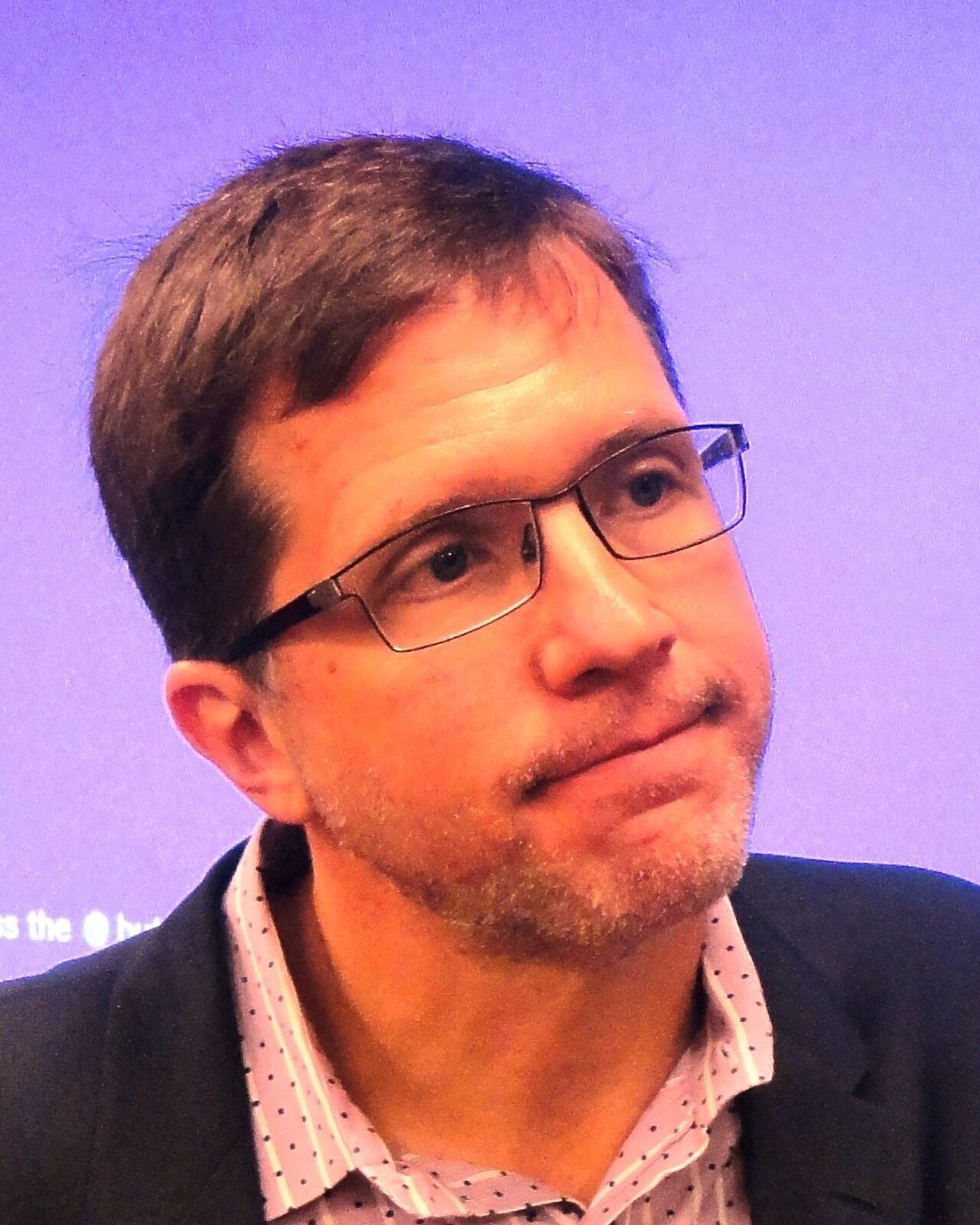
On March 25, 2026, that jury found Meta and YouTube negligent in the design of their platforms and awarded Kaley six million dollars — three million in compensatory damages, three million in punitive. Meta was found 70% responsible. YouTube took the other 30%. TikTok and Snap had already settled confidentially before the trial began. It was the first verdict to hold tech companies liable not for what appeared on their platforms, but for how the platforms were built — the infinite scroll, the autoplay, the notifications engineered to pull you back. Judge Carolyn B. Kuhl had cleared the way months earlier, ruling in November 2025 that Section 230 didn't shield design-feature claims. The apps themselves could be defective products.
The man who argued Kaley's case is Mark Lanier, a Houston trial lawyer who made his name winning multibillion-dollar verdicts against Johnson & Johnson. He went with a Big Tobacco analogy. "These are Trojan horses," he told the jury in closing arguments. "They look wonderful and great … but you invite them in and they take over." Then he asked the question that probably decided things: "What is a lost childhood worth?"
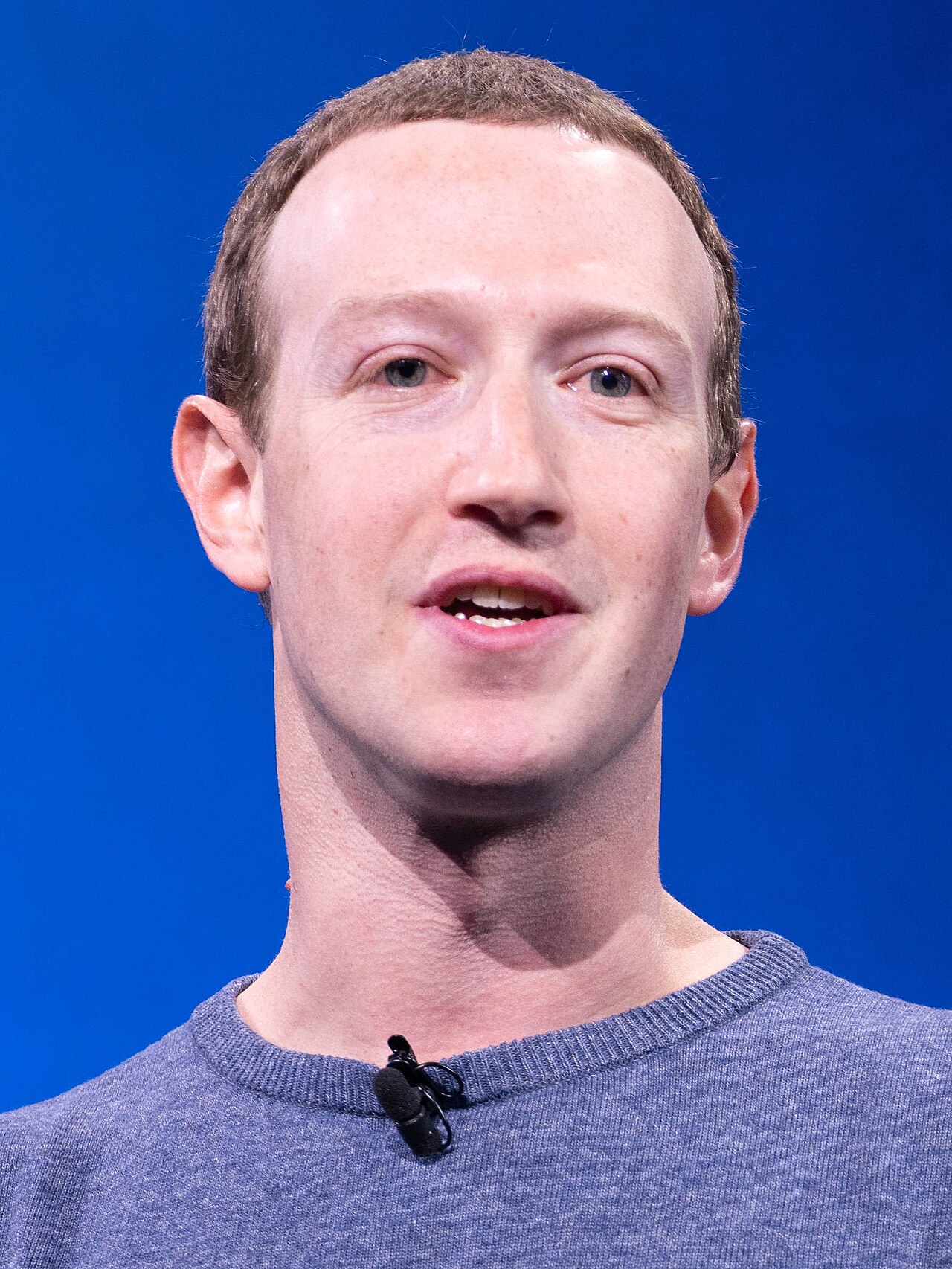
Mark Zuckerberg took the stand — the first time he'd testified before a jury on child safety. He told jurors that "if you do something that's not good for people, maybe they'll spend more time short term, but if they're not happy with it, they're not going to use it over time." He acknowledged it's "very difficult" to enforce Instagram's age limits. Adam Mosseri, the head of Instagram, was called as an adverse witness. Plaintiffs played a 2020 podcast clip where Mosseri said "there's such a thing as being addicted to a social media platform." On the stand, he said he'd misspoken. He compared social media use to being hooked on a Netflix show.
Behind the legal strategy is Matthew Bergman, who founded the Social Media Victims Law Center specifically to pioneer this theory — that platforms can be sued for negligent design, not content. He and his counsel of record, Laura Marquez-Garrett, a Harvard Law graduate who has filed more than 1,200 complaints against tech companies, were both named to TIME's 100 Health list in 2026. Marquez-Garrett helped put Meta and Google's internal documents into the public record for the first time. Bergman got himself removed from the plaintiffs' steering committee after Judge Kuhl caught him recording a BBC interview from the courthouse — a stumble, but the legal framework he built held up.
The day before Kaley's verdict, a New Mexico jury ordered Meta to pay $375 million for violating consumer protection laws and enabling child exploitation. Two verdicts in two days. Meta lost $310 billion in market cap in March — its worst month since October 2022. Both Meta and Google say they'll appeal. A second phase of the New Mexico trial begins May 4 to determine whether Meta must fund public programs to address the harm.
There are roughly 2,000 similar lawsuits pending — in federal court in Northern California under Judge Yvonne Gonzalez Rogers, and in California state proceedings. Kaley's case was the bellwether, the one that tests the theory for everyone else. She was six years old when she first logged on. She's twenty now, and a jury in Los Angeles just told the biggest companies in the world that what they built broke something in her. The question for the 2,000 families behind her isn't whether it happened to their kids too. It's what it's worth.