Nahid Shirpisheh was standing next to her son when they shot him in the head. Pouya Bakhtiari, 27, had gone to the streets of Karaj on November 16, 2019, to protest fuel price hikes that had doubled overnight. Security forces didn't use tear gas. They didn't fire into the air. They didn't aim for his legs. They aimed for his head. He was pronounced dead before he reached a hospital.
Who's Who?
-
NSNahid Shirpisheh — Asked one question about her son's death. Got five years in prison for it.
-
PBPouya Bakhtiari — Shot in the head while his mother stood beside him at a fuel-price protest.
-
MBManouchehr Bakhtiari — Eighteen years and seventy-four lashes for grieving his son out loud.
-
MBMona Bakhtiari — Uses Instagram to document every abuse her imprisoned parents endure.
-
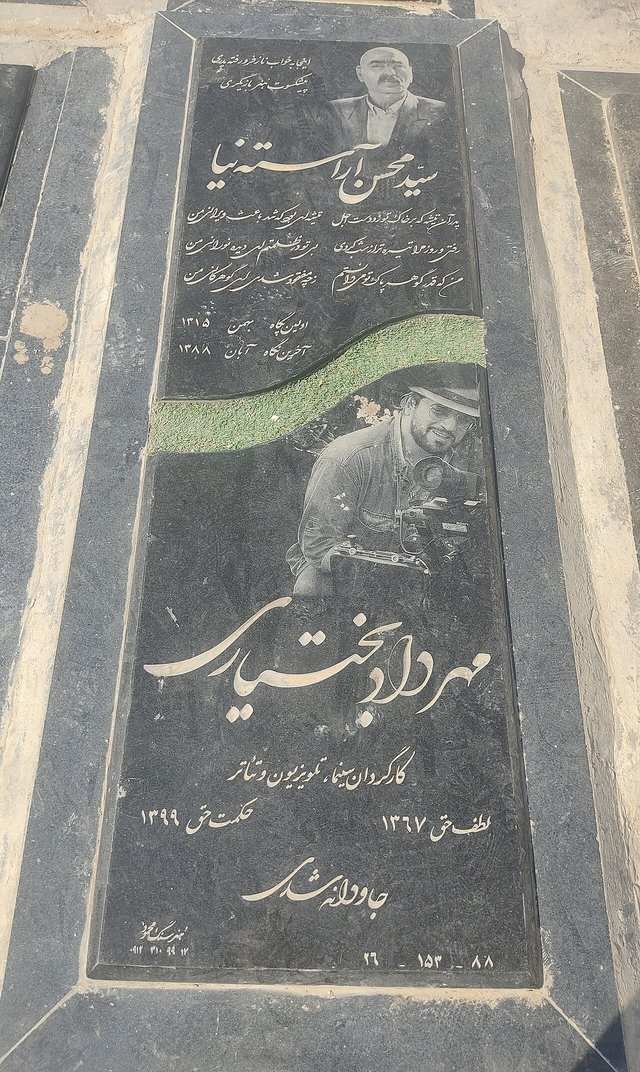 Mehrdad Bakhtiari — Arrested multiple times for refusing to let his nephew's case disappear.
 -
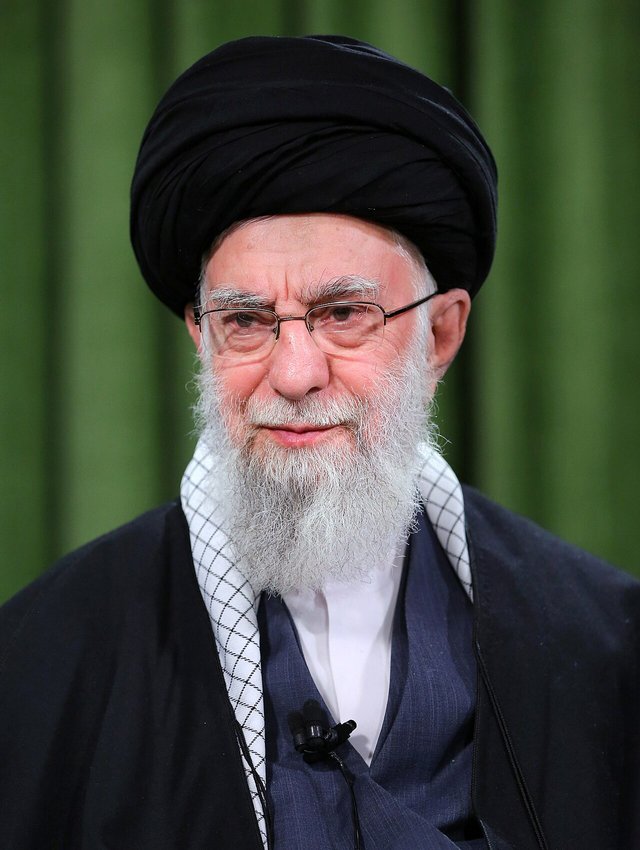 Ali Khamenei — Told state television there was 'no benefit to talking to rioters' — five days before the massacre.
 -
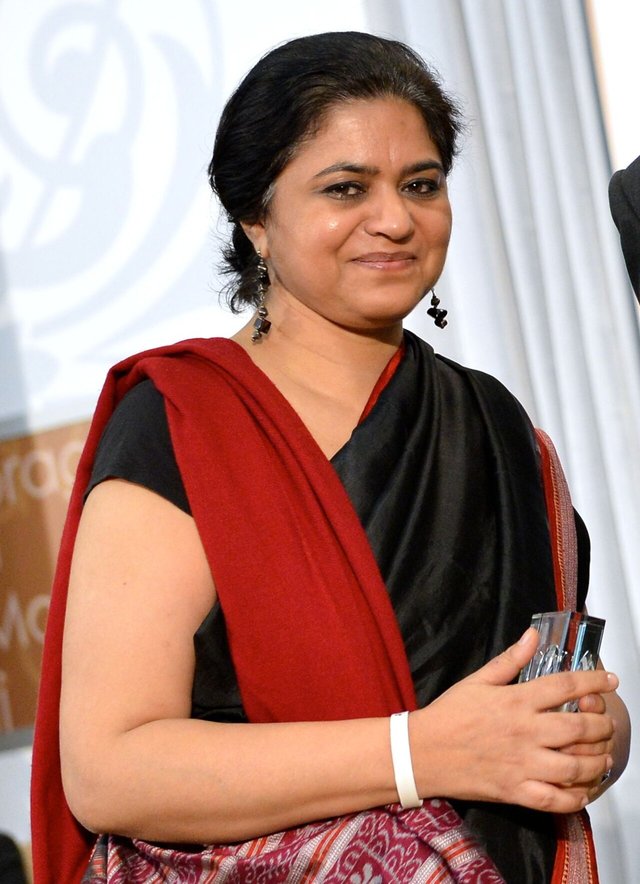 Sara Hossain — Leading the international investigation into what may be the deadliest crackdown since 1979.
 -
ACAgnes Callamard — Called it what governments wouldn't: deliberate mass killings of protesters.
Nahid asked one question: why did they shoot at my son's head? She asked it publicly, to the Center for Human Rights in Iran. "If they had a problem with the protests, they could have used tear gas or fired bullets into the air. They could have at least shot him in the leg." The Islamic Republic's answer was to sentence her to five years in prison for assembly and collusion. Her husband Manouchehr got eighteen years and seventy-four lashes. Pouya's uncle Mehrdad got six years plus a two-year travel ban and exile to Shahrekord. The regime didn't just kill their son. It imprisoned everyone who said his name.
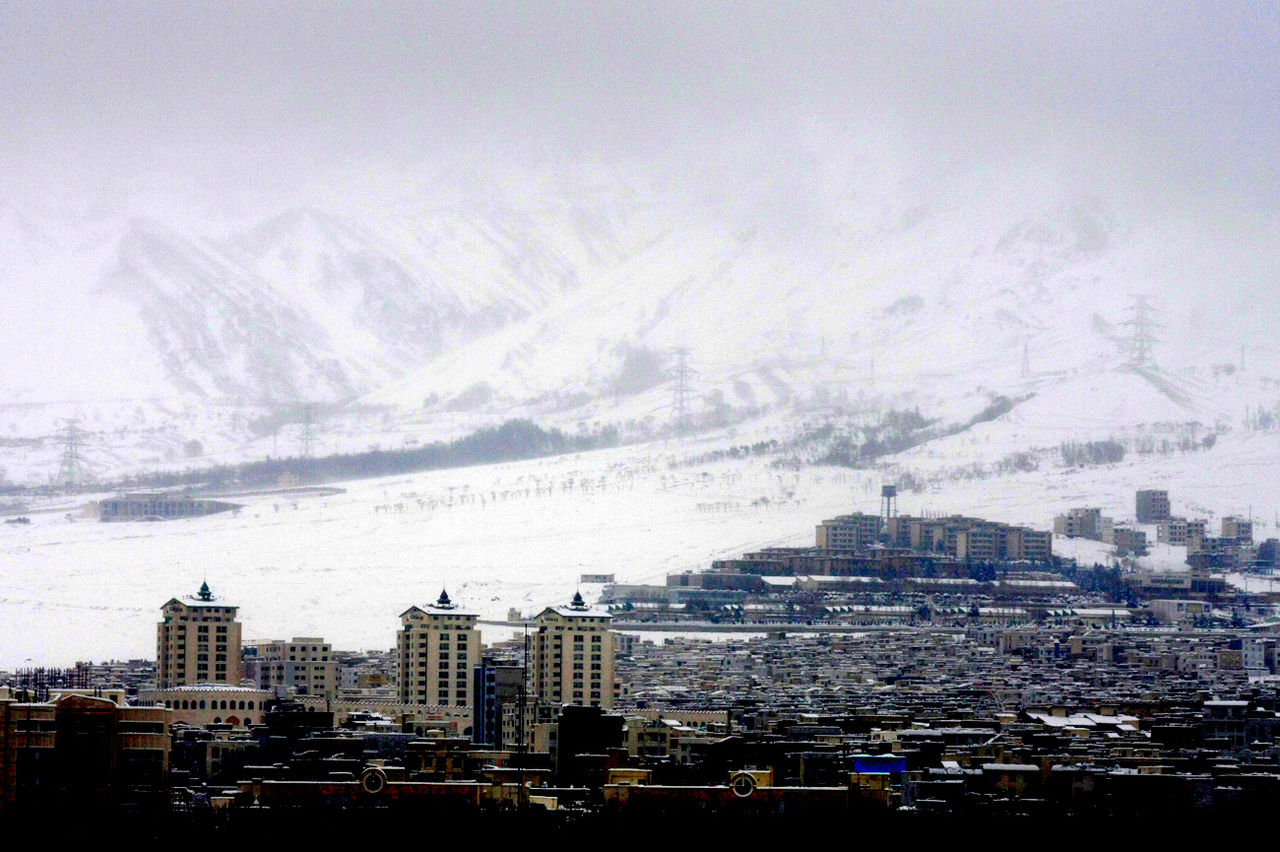
That was 2019. The government called it Bloody Aban — the November protests — and Amnesty International documented 321 deaths across more than a hundred cities. Estimates ranged as high as 1,500. The Bakhtiari family buried Pouya at Behesht-e Sakineh Cemetery on November 19. When they tried to hold a memorial service on December 23, security forces arrested them before it could begin.
What happened next is the part the regime couldn't hide, though it tried harder than any government in history. On December 28, 2025, the Iranian rial collapsed from 1.07 million to 1.4 million per dollar, and new protests erupted nationwide. On January 3, 2026, Ali Khamenei went on state television and said what he meant: "We talk to protesters, the officials must talk to them. But there is no benefit to talking to rioters." Five days later, security forces began the deadliest massacre since the 1979 revolution.
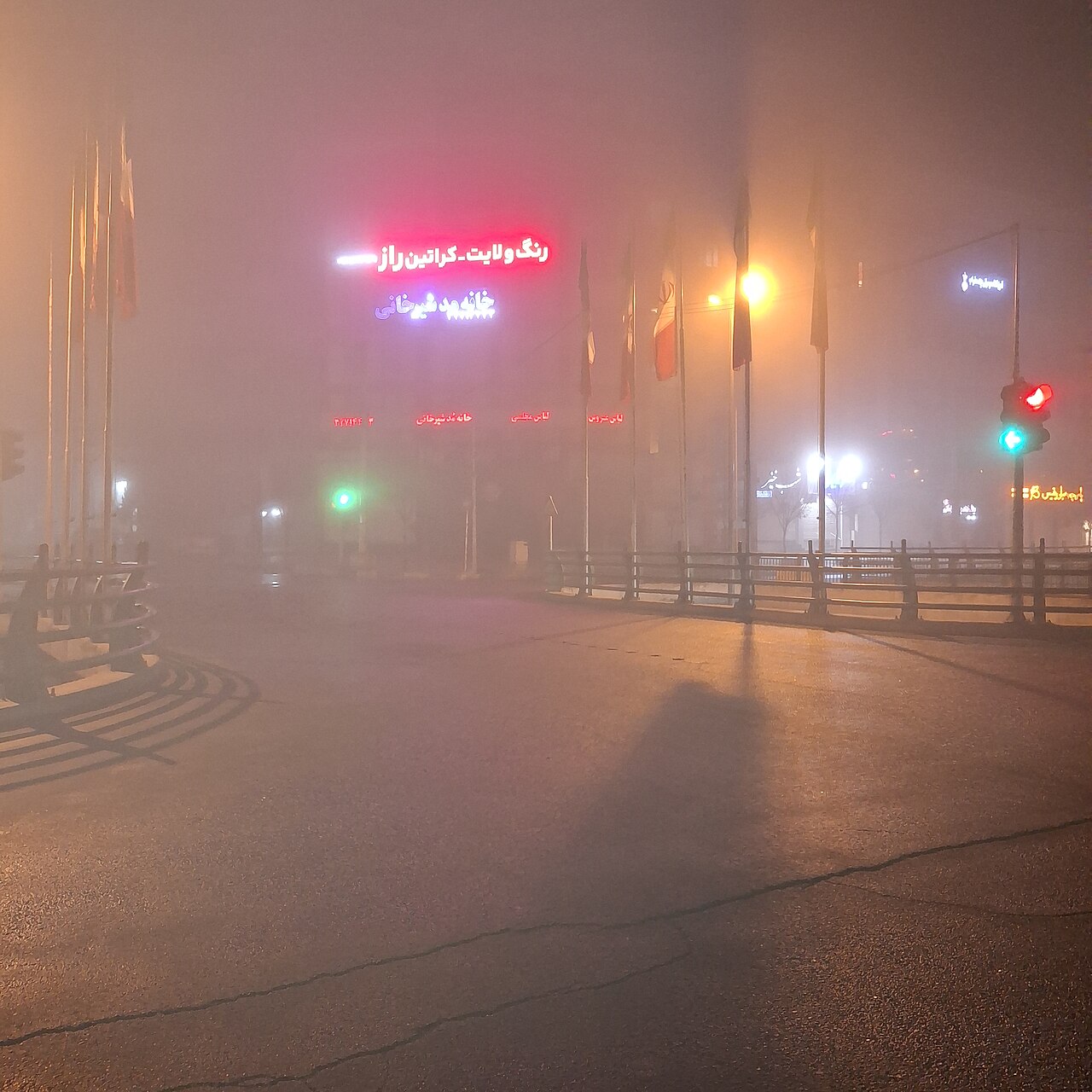
The numbers are staggering even by the standards of a regime that has been killing its own people for decades. On January 8 and 9, an estimated 30,000 people were killed in forty-eight hours. The government imposed a near-total internet blackout that same day — it lasted thirty-seven consecutive days, the longest any country has ever shut down the internet. Behind that wall of silence, at the Kahrizak morgue near Tehran, families searched through hundreds of body bags piled on the ground, looking for their dead. Amnesty International identified at least 205 body bags at Kahrizak alone from video analysis. Before authorities would release a body, they demanded what they called bullet fees — between $480 and $1,720 per bullet.
Sara Hossain, the Bangladeshi barrister who chairs the UN Independent Fact-Finding Mission on Iran, called it what it was. "Unprecedented levels of violence have been witnessed in the Islamic Republic of Iran," she told the Human Rights Council, "marking what appeared to be the deadliest crackdown against its people since the Revolution of 1979." The mission's mandate was extended two years. Agnes Callamard, the head of Amnesty International, was more direct: "Iran's Supreme Leader and security forces have waged their deadliest crackdown yet. The authorities have deliberately turned to mass killings of protesters."
On February 23, 2026, the Human Rights Activists News Agency published a 1,350-page report called The Crimson Winter. It documented 7,007 confirmed deaths by name, with 11,744 more under review. As of April 2026, more than 54,000 people have been detained, including 555 children. Authorities continue to conduct secret burials and execute detained protesters. No official has been held accountable for any of it.
And the Bakhtiari family — the family that asked why — is still paying. Manouchehr suffered a heart attack in Qazvin prison in December 2024. Doctors told him he needed absolute rest. He was returned to captivity days later. He went on hunger strike in July 2025. Nahid attempted suicide in Zanjan Central Prison on February 11, 2025, after weeks of abuse. The prison's response was to transfer her to solitary confinement instead of a hospital. She was briefly furloughed in March 2025, then sent back. Their daughter Mona has used Instagram to publicize every assault, every denial of medical care, every punishment her parents endure. She holds the Islamic Republic responsible for any harm that comes to them. Both parents remain in prison today.
There is a movement now among the families of the dead. They call themselves the justice-seeking mothers, and some of them have started dancing at funerals instead of mourning in silence. It is, in its way, the most dangerous thing you can do in Iran — refuse to be quiet about who was killed, and why, and by whom. It is exactly what Nahid Shirpisheh did when she stood beside her son's body and asked her question. The regime has spent seven years trying to make her stop. She hasn't.