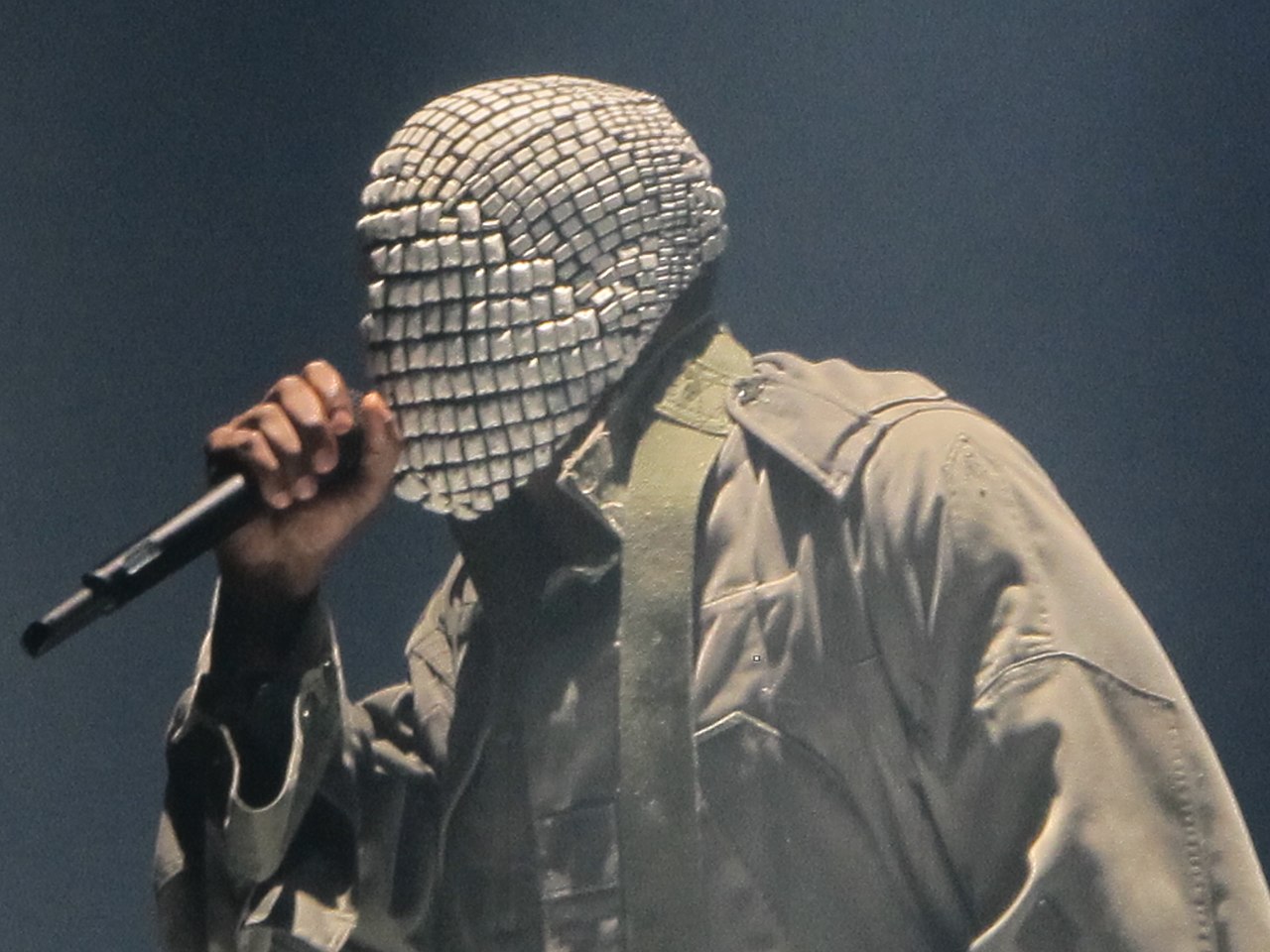
Live Nation executives flew to Mexico City in January to watch Ye perform two sold-out shows at the Plaza de Toros. Forty thousand people. A comeback rolling. The executives had a number in mind: $15 million for Ye to headline all three nights of Wireless Festival in London's Finsbury Park. By April 7, the festival was dead, the money was gone, and Ye was banned from Britain.
Who's Who?
-
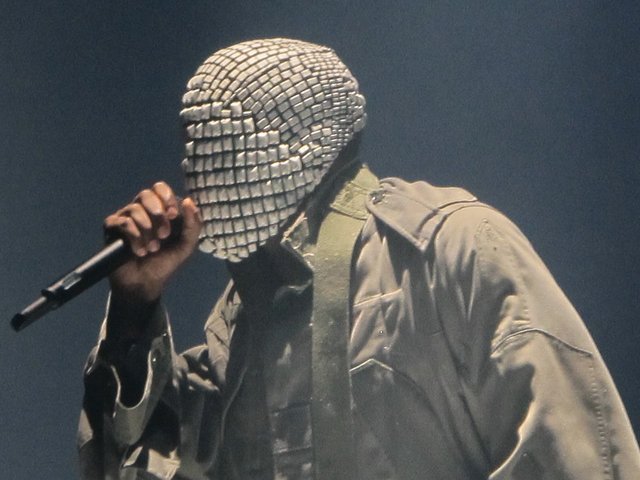 Ye (Kanye West) — Banned from two countries, grossing $33 million a week, and letting his 12-year-old open the show.
 -
MBMelvin Benn — Lived on a kibbutz in the '70s. Thought that biography could absorb the risk of booking Ye.
-
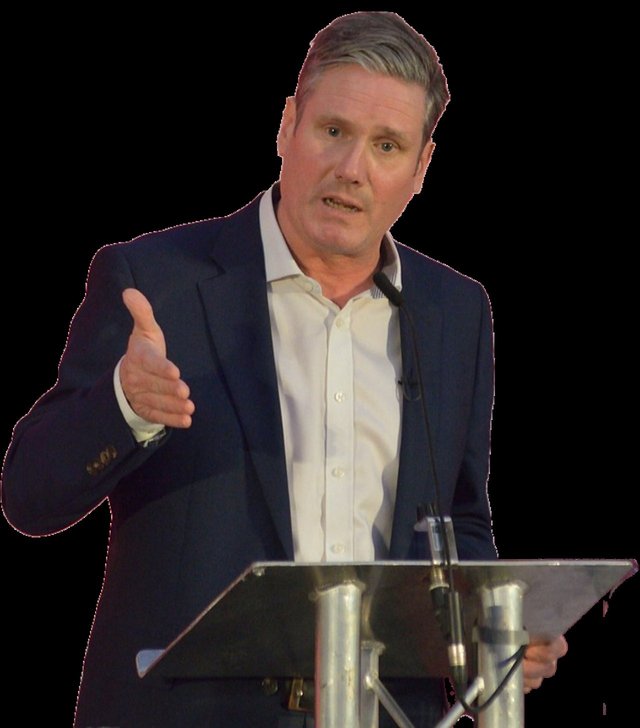 Keir Starmer — Called the booking 'deeply concerning' on Friday. By Monday, his Home Office killed it.
 -
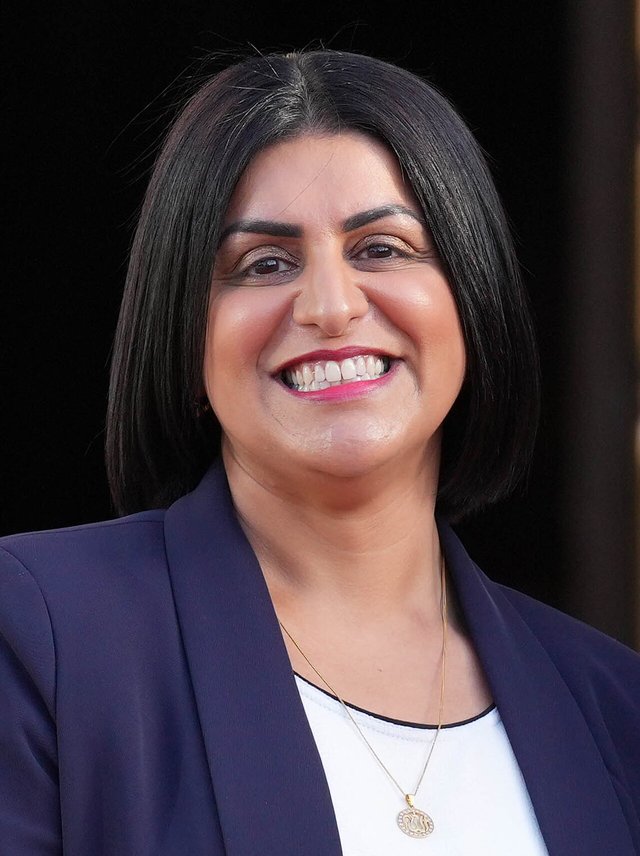 Shabana Mahmood — Withdrew Ye's travel authorization on grounds his presence was 'not conducive to the public good.'
 -
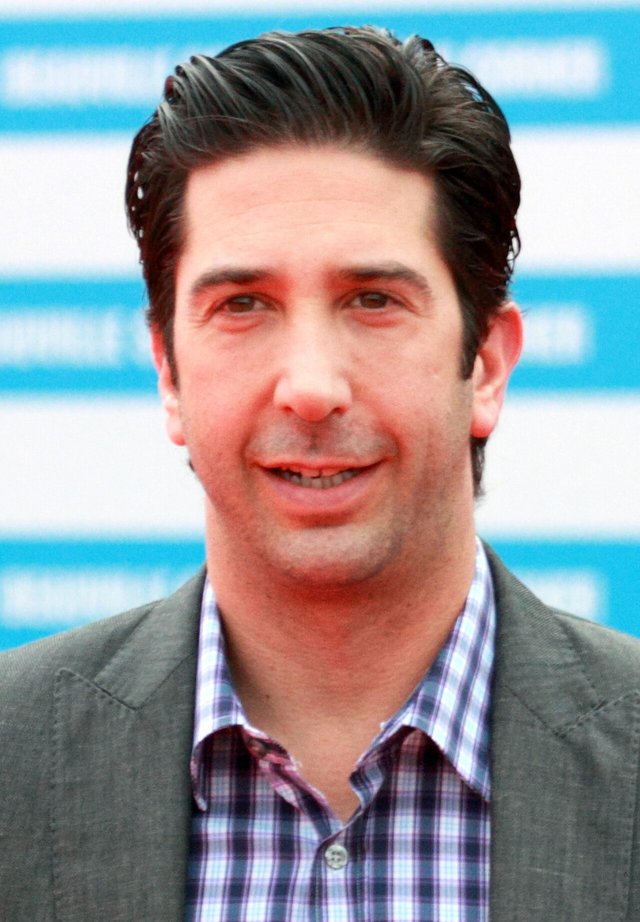 David Schwimmer — Called Ye a 'hate-mongering bigot' and publicly thanked each sponsor that walked.
 -
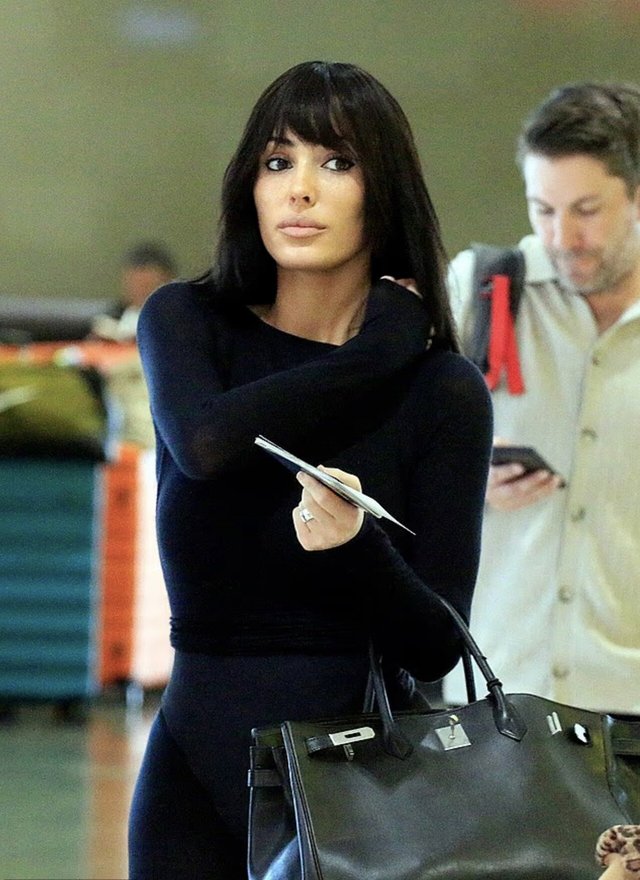 Bianca Censori — An Australian architect who just directed her first music video — for a husband banned from Australia.
 -
NWNorth West — Signed to a label, debut album in the works, performing alongside her father at sold-out stadiums.
-
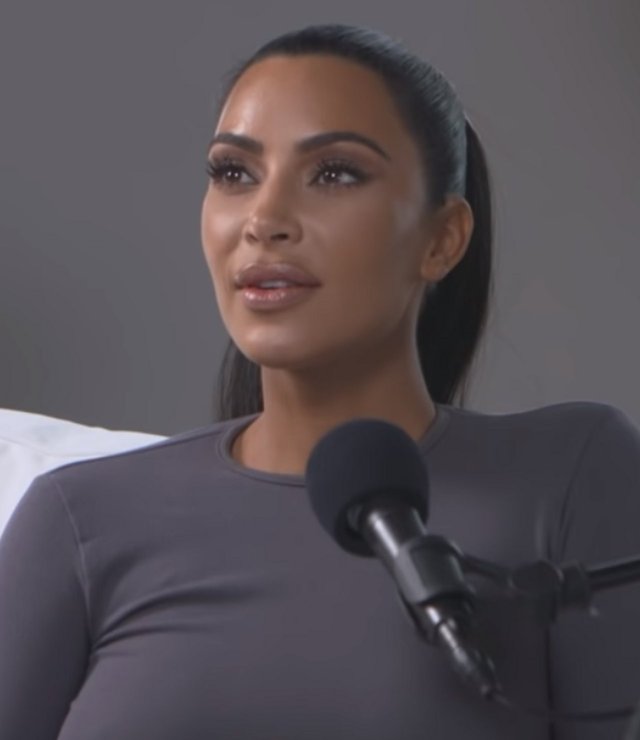 Kim Kardashian — Has primary custody of four kids whose father is the most polarizing performer alive.
The man who made the bet was Melvin Benn, managing director of Festival Republic and the promoter behind Wireless. Benn is a self-described lifelong anti-fascist who lived on a kibbutz in the 1970s. He staked his reputation on a narrative of forgiveness. "Forgiveness and giving people a second chance are becoming a lost virtue in this ever-increasing divisive world," he said in April, as sponsors started pulling out. He argued the festival was not giving Ye a platform for opinions — "only to perform the songs that are currently played on the radio stations in our country." He claimed Pepsi had originally signed off and approved the booking. Then Pepsi, the title sponsor since 2015, withdrew. Diageo followed. Then PayPal. Then Rockstar Energy.
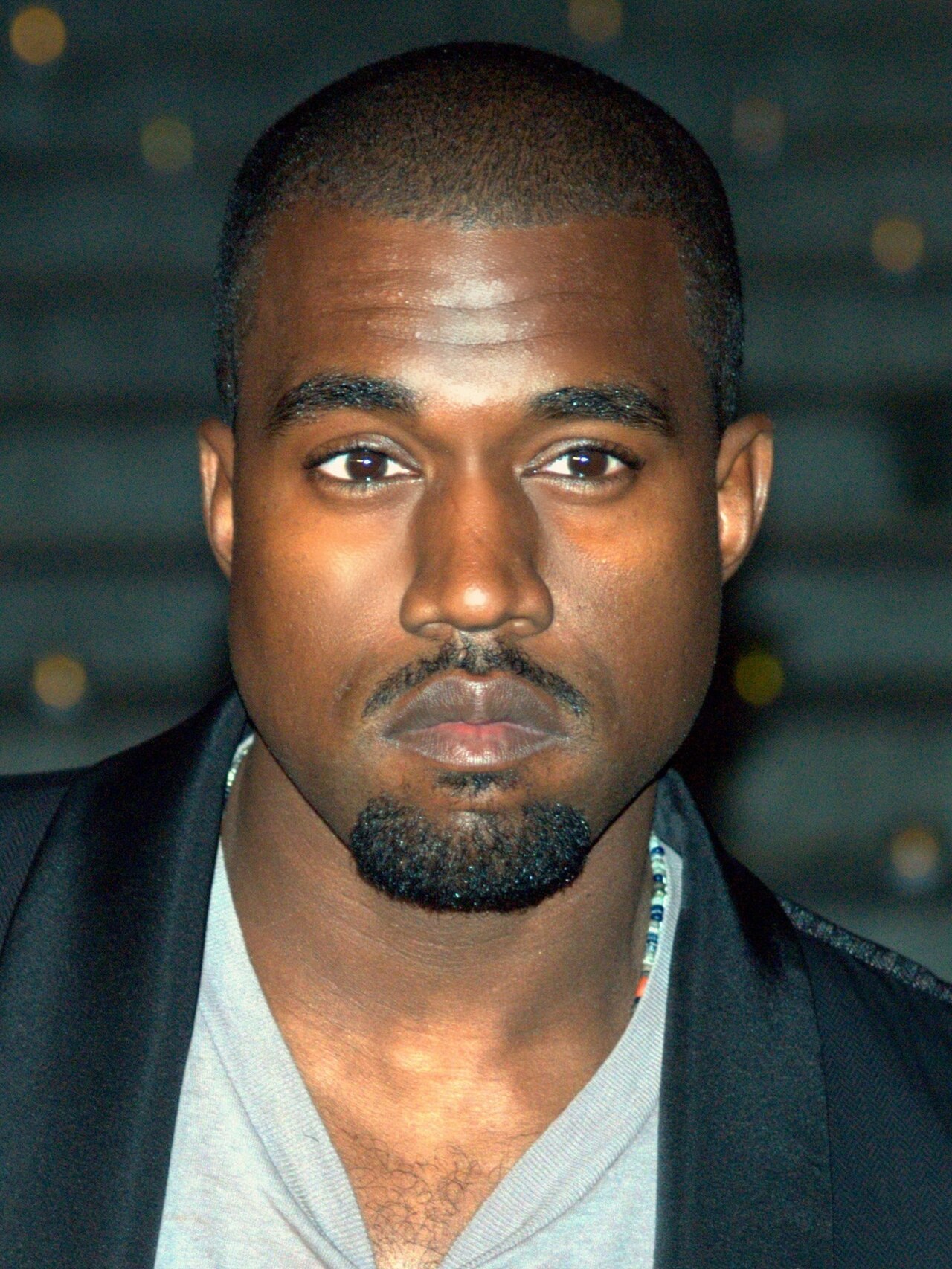
The pressure came from everywhere. David Schwimmer called Ye a "hate-mongering bigot" and publicly thanked each sponsor that pulled out, then called on the remaining ones — Budweiser, Beat Box Beverages, Drip Water, Big Green Coach — to follow. "I believe in forgiveness," Schwimmer said, "but it takes much more than this." Prime Minister Keir Starmer called the booking "deeply concerning" on April 4. Three days later, after Home Secretary Shabana Mahmood withdrew Ye's electronic travel authorization on grounds his presence would not be "conducive to the public good," Starmer posted: "Kanye West should never have been invited. This government stands firmly with the Jewish community, and we will always take the action necessary to protect the public and uphold our values."
The timeline matters. In February 2025, Ye posted "I am a Nazi" and "Hitler was sooooo fresh" on X. He sold swastika T-shirts through a Super Bowl ad. On VE Day — May 8, 2025 — he released a song called "Heil Hitler." Australia revoked his visa. Then in January 2026, he took out a full-page Wall Street Journal ad titled "To Those I've Hurt," blaming his antisemitism on a brain injury and bipolar disorder. "I am not a Nazi or an antisemite. I love Jewish people." That ad is apparently what gave the industry permission to write checks again.
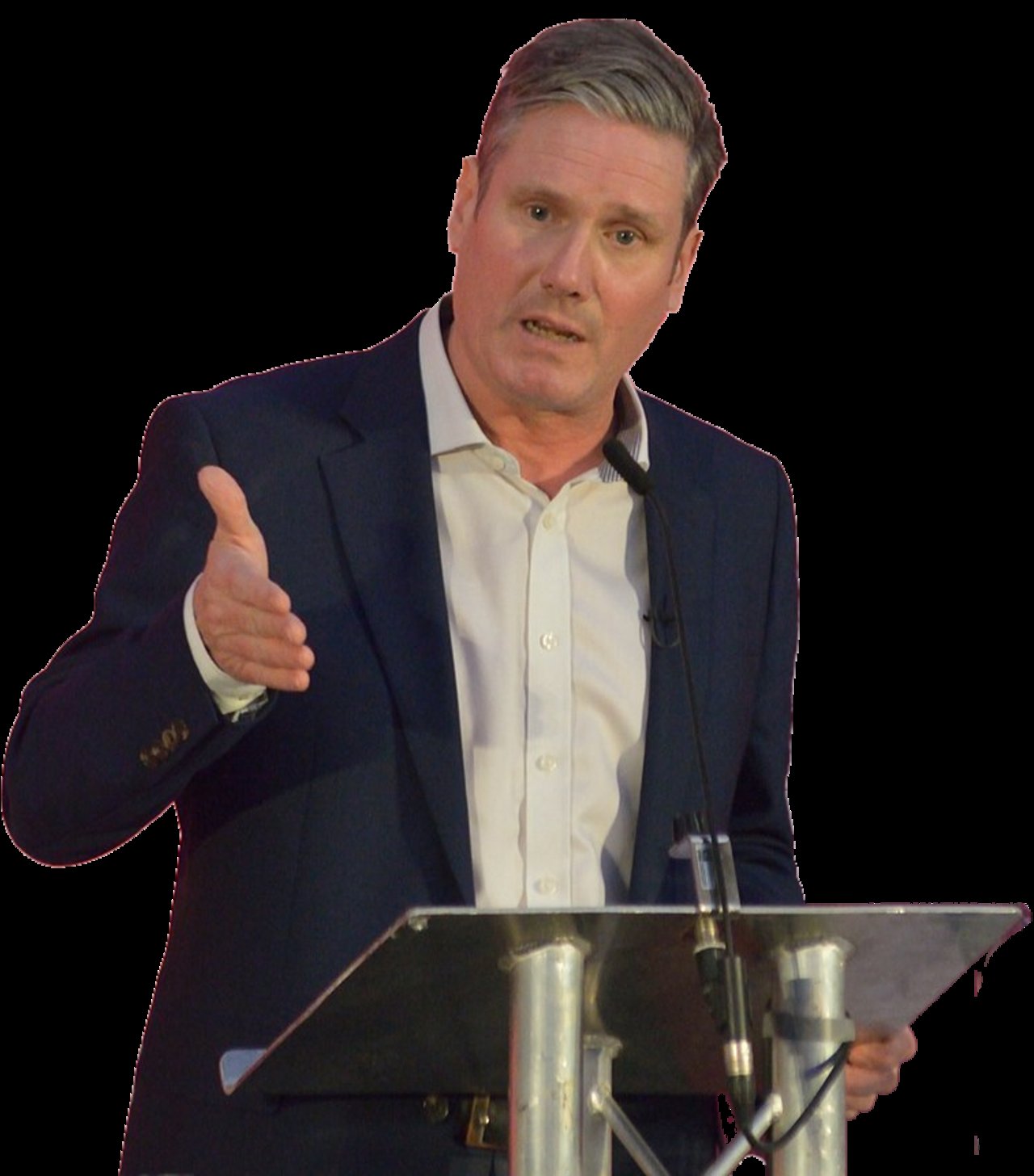
On April 6, the day before the ban, Ye offered to meet the UK Jewish community. The Campaign Against Antisemitism said only scrapping the show would prove sincerity. The next morning, the Home Office made that decision for everyone. Wireless was cancelled entirely. Estimated losses: £30 million, with uncertain insurance recovery.
Here is the part that stings if you're Melvin Benn. The same week Wireless died, Ye's two SoFi Stadium shows in Los Angeles grossed $33 million combined. His album Bully, released March 28, debuted at No. 2 on Billboard. His European tour — the Netherlands on June 6 and 8, Marseille on June 11, Italy on July 18, Madrid on July 30 — remains intact. Everywhere except Britain. The mayor of Marseille has said he doesn't want Ye in his city, but saying and banning are different things, and every remaining tour date now carries political risk.
The wider circle keeps expanding. Bianca Censori, 31, Ye's wife and an Australian architect, directed the music video for "Father" featuring Travis Scott — her filmmaking debut — and has been integral to his visual identity throughout the comeback. Australia already banned Ye, which complicates visits to her home country. North West, Ye's 12-year-old daughter with ex-wife Kim Kardashian, has signed with Gamma records and released her debut single "Piercing on My Hand," with an album called The Elementary School Dropout in development. Ye is executive producing. North performed with him at the Mexico City shows and at SoFi Stadium. Kim, who has primary physical custody of their four children, said of North's music career: "She loves producing music and wanted to share it with the world."
What happened at Wireless is a story the music industry will be studying for years. A promoter who thought his own biography — the kibbutz, the anti-fascism, the personal experience with mental illness — could absorb the risk of booking a man who sold swastika shirts and released a song called "Heil Hitler." An apology that blamed brain chemistry and changed nothing. A $15 million bet that turned into a £30 million loss. And a performer who, as of this week, is commercially thriving in every country that hasn't locked the door.