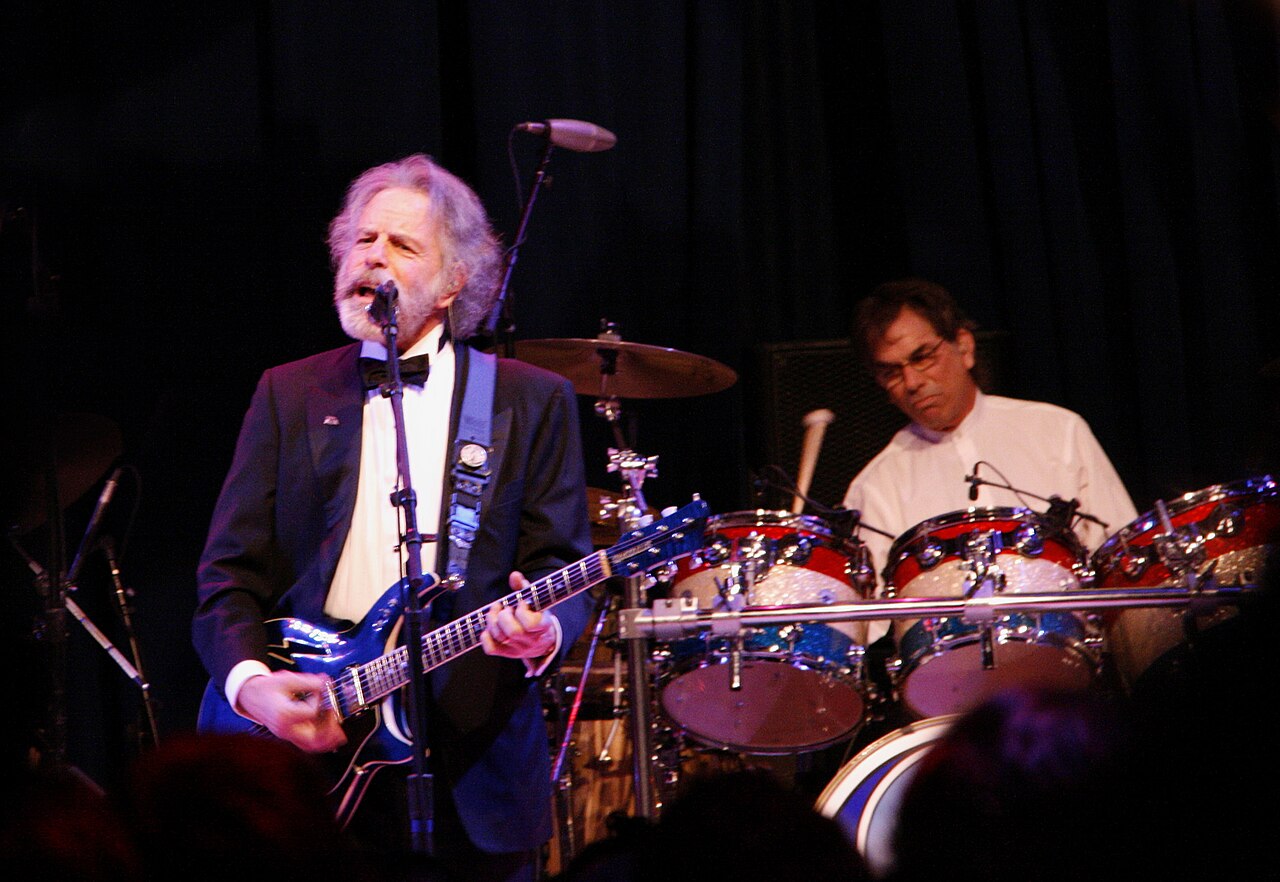
Natascha Münter went to her first Grateful Dead show at fifteen. She married the rhythm guitarist on July 15, 1999, in Mill Valley, California. For 26 years she stood beside Bob Weir — through tours and daughters and an activism life built around sustainability and voter rights. Then in July 2025, the diagnosis. Cancer. He beat it. And then his lungs gave out anyway.
Who's Who?
-
 Bob Weir — Closed his last concert ever with the Dead's only hit about surviving.
 -
NMNatascha Münter — Went to her first Dead show at fifteen. Married the rhythm guitarist.
-
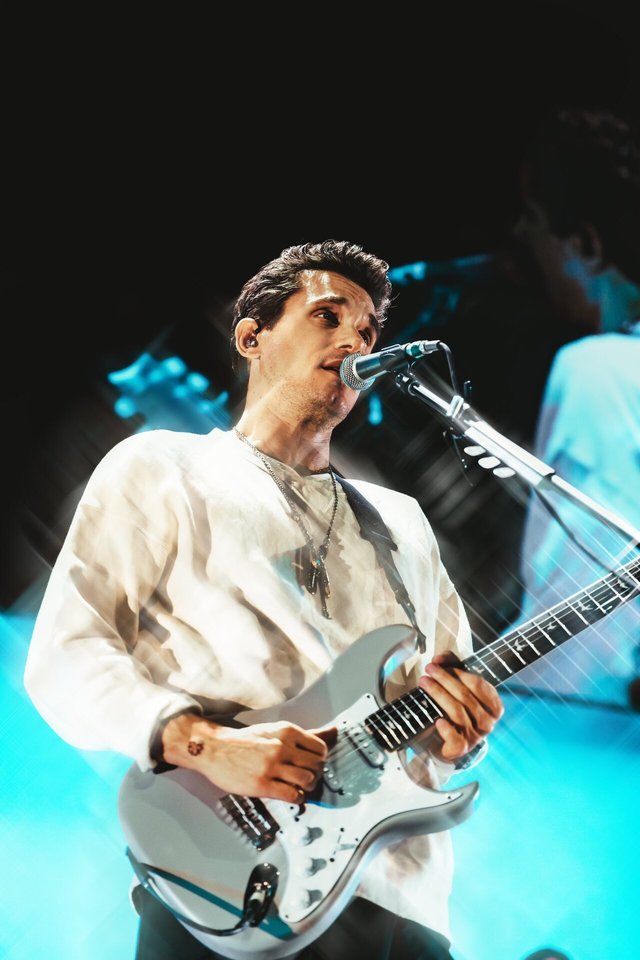 John Mayer — Born the same day as Weir, exactly 30 years apart.
 -
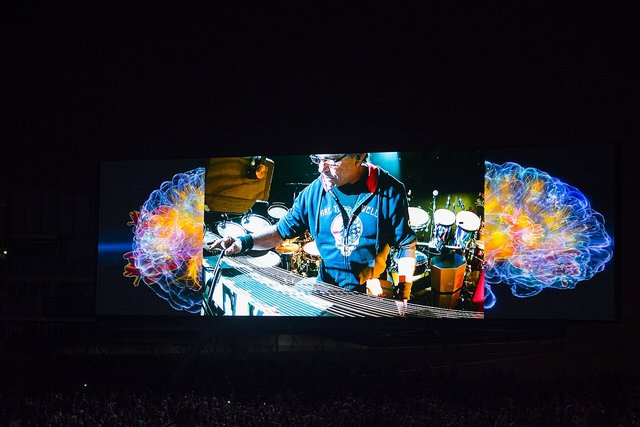 Mickey Hart — Told 25,000 people that Weir dreamed of their music lasting 300 years.
 -
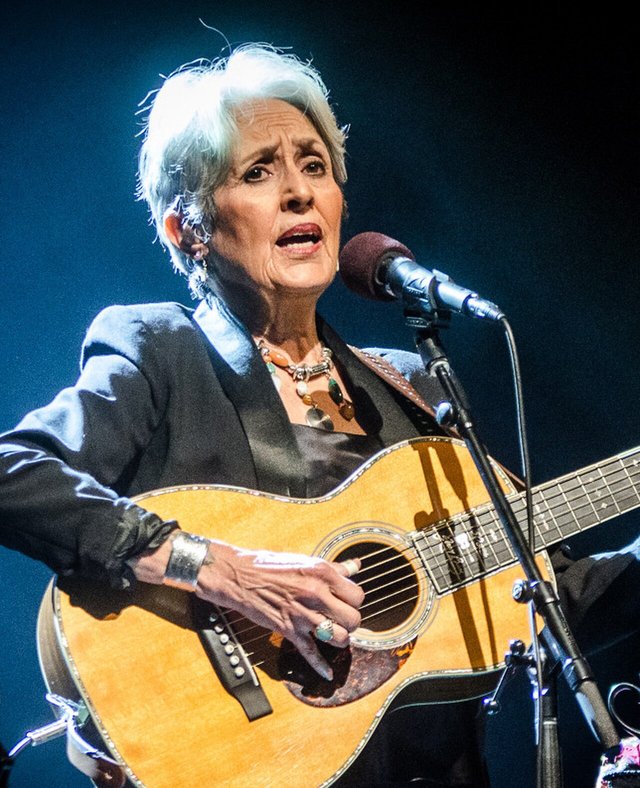 Joan Baez — Sang 'Oh, Freedom' with no shoes — the way Weir used to play.
 -
CKChloe Kaelia Weir — Got her first Polaroid at seven on her father's tour bus.
-
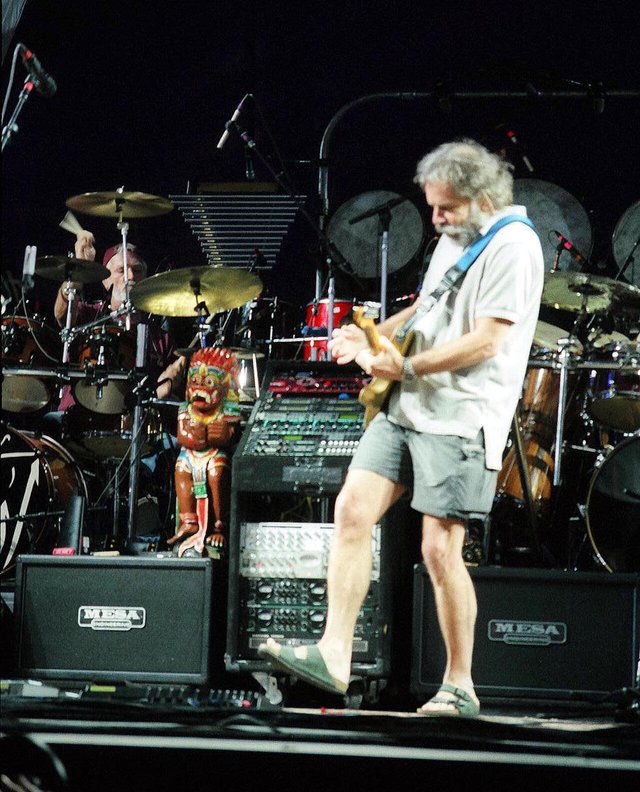 Bill Kreutzmann — Couldn't attend the memorial — his own heart was giving him trouble.
Bob Weir died on January 10, 2026. He was 78. The family statement didn't read like a death announcement — it read like a sendoff: "There is no final curtain here, not really. Only the sense of someone setting off again." A farewell that isn't an ending, they called it. A blessing.
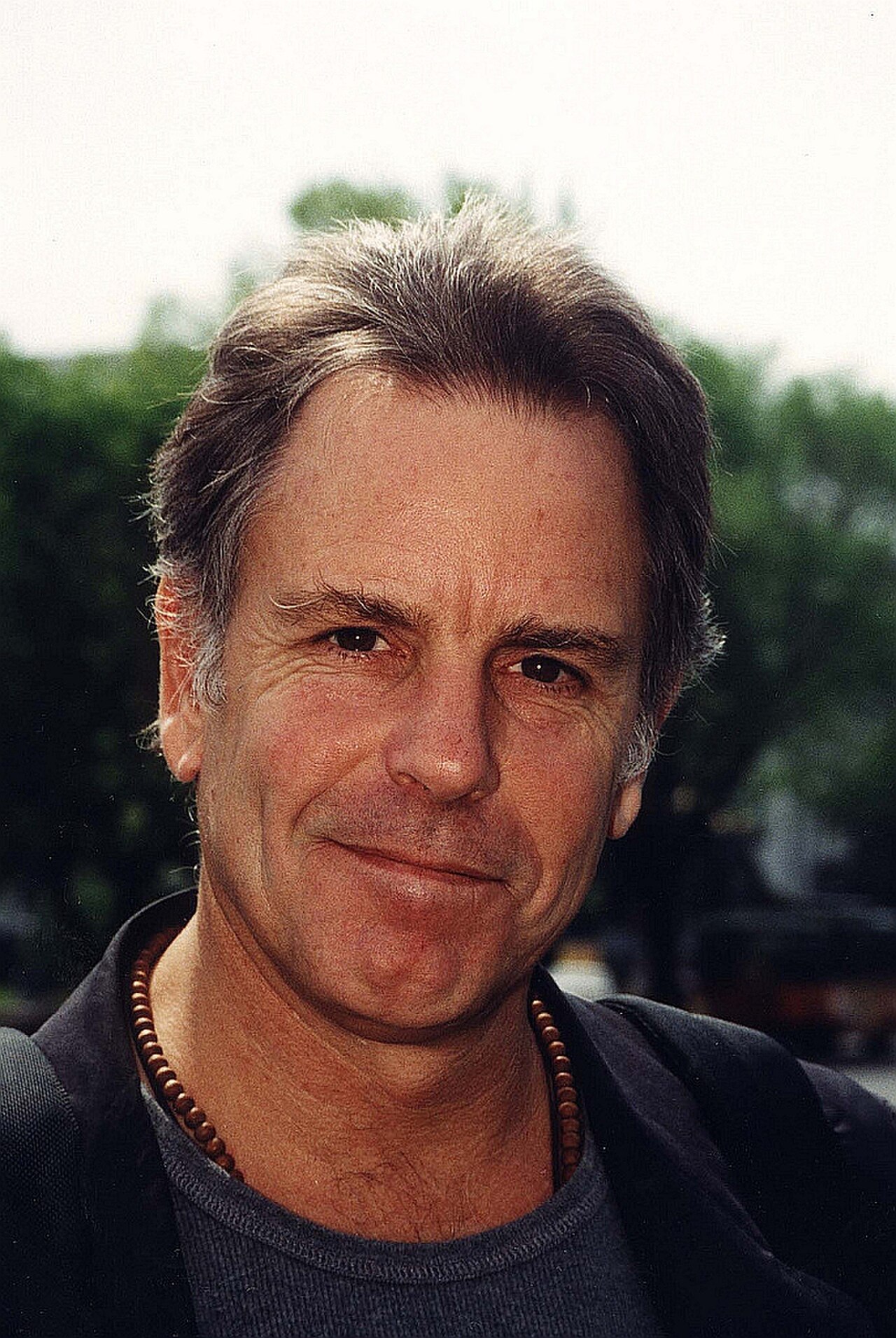
What makes this cruel is the timing. Weir had just played the biggest shows of his late career — three sold-out nights at Golden Gate Park's Polo Fields in August 2025, celebrating 60 years of the Grateful Dead. Billy Strings, Sturgill Simpson, Trey Anastasio all sat in. He'd started cancer treatment weeks before those concerts and played them anyway. On August 3, his last night on any stage, he closed with "Touch of Grey" — the Dead's only Top 10 hit, the song about surviving. Nobody in that crowd knew they were hearing his final notes.
A week after he died, 25,000 people filled Civic Center Plaza for a memorial they called "Homecoming." San Francisco Mayor Daniel Lurie opened the formal tributes. Nancy Pelosi spoke about Weir's quiet work encouraging people to vote. Video tributes came in from Dave Matthews, Willie Nelson, Wynonna Judd, Trey Anastasio, even 49ers players George Kittle and Nick Bosa. But the moments that landed hardest were the ones that happened in person.
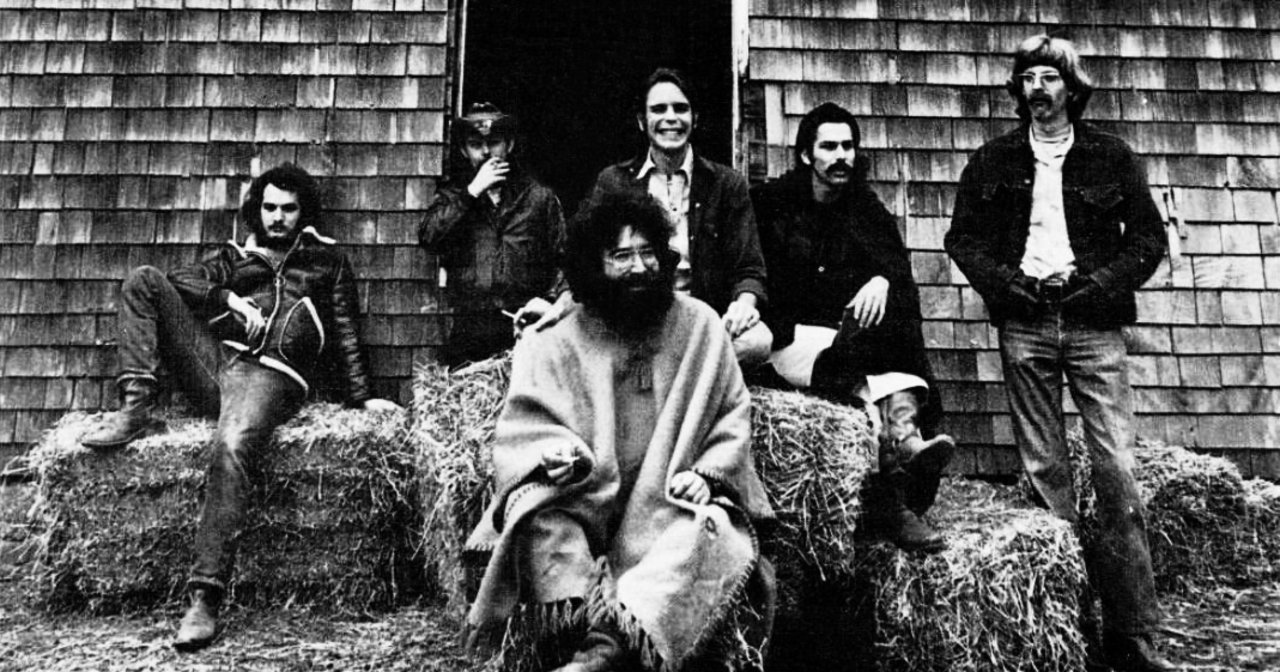
John Mayer — born on the same day as Weir, October 16, exactly 30 years apart — delivered the eulogy that broke the crowd open. "Bob took a chance on me," he said. "He staked his entire reputation on my joining a band with him. He gave me musical community, he gave me this community." Mayer had joined Dead & Company in 2015, and over a decade the two built something neither expected. "Over the course of a decade, we came to trust each other," he told the plaza. Then he picked up an acoustic guitar and led 20,000 people through "Ripple." Natascha and their daughter Chloe joined him on stage for the singalong.
Chloe Kaelia Weir got her first Polaroid camera at seven and carried it on her father's tours. She grew up to document Dead & Company performances and shoot artists like Willie Nelson and Billy Strings. At the Homecoming, she wasn't behind the camera. She was standing next to her mother, singing her father's song back to a city full of strangers who felt like family.
Joan Baez, who grew up in Palo Alto near the Dead's origins and once dated Mickey Hart in the early '80s, sang Odetta's "Oh, Freedom" barefoot — the way Weir used to perform. Mickey Hart, one of only two surviving core members, told the crowd what Weir used to talk about in private. "Bob liked to talk about where the music would be in 300 years," Hart said. "After watching it all build for 60 years, he could envision the depth of our impact hundreds of years down the line." Then he added: "There was nothing like Bob Weir. He was singular. He was not a copy of anything that came before; he was a true original." Mayer closed with the line that stayed with people longest: "300 years, Bobby — now that's a plan I can get behind."
Bill Kreutzmann, the other surviving founding member, wasn't there. Heart rhythm issues had put him under doctor's orders to rest through January. He and Hart are the last two standing from the original Grateful Dead — Pigpen died in 1973, Jerry Garcia in 1995, Phil Lesh on October 25, 2024, and now Weir, barely three months later. Three founders lost in three years. Dead & Company's future is uncertain.
But Natascha Münter stood on that stage at Civic Center, singing "Ripple" with her daughter beside her and 25,000 voices carrying the melody her husband helped write. Sixty years of music. Twenty-six years of marriage. One song, still going.